
American Airlines Flagship Business Class Flight Change Policy
The American Airlines Flagship Business Class flight change policy is designed to offer flexibility while still being governed by fare rules and availability. Most business class tickets on American Airlines are changeable without a standard change fee, but fare differences usually apply when the new flight costs more. Travelers can modify flights before departure, and in many cases, same-day flight change options such as confirmed changes or standby are available depending on seat availability and route eligibility.
For premium cabin passengers, flexibility depends more on the underlying fare type than the cabin itself. Fully flexible fares provide broader change options, while discounted business fares may still involve restrictions. Understanding when to change, how fare differences work, and what same-day options exist is essential to avoid unnecessary costs and disruptions.
Quick Answer Can You Change American Airlines Flagship Business Class Flights Easily
American Airlines Flagship Business Class tickets are generally changeable without a traditional change fee, but travelers must typically pay any fare difference if the new flight is more expensive. Changes can be made online, via the mobile app, or through customer service before departure. Same-day confirmed changes may be available on eligible routes, while standby options are offered for flexibility without guaranteed seats. Refundable fares allow greater freedom, while non refundable tickets may result in travel credits instead of cash refunds. Policies vary based on fare type, route, and availability, especially for international business class itineraries.
Key Takeaways For American Airlines Business Class Flight Change Rules Explained
American Airlines provides relatively flexible flight change rules for Flagship Business Class, especially compared to legacy fare structures that included change penalties. Most premium tickets allow changes without a base fee, but fare differences remain the primary cost driver. Same-day flight change options offer convenience for last-minute adjustments, though availability is not guaranteed.
Travelers should note that flexibility depends heavily on fare conditions, not just the business class cabin. International routes, partner airlines within Oneworld, and multi-segment bookings may introduce additional complexity. Reviewing ticket rules before making changes helps avoid unexpected costs.
Overview Of American Airlines Flight Change Policy And Flexibility Structure
American Airlines structures its flight change policy around fare type, route, and timing of the request. For Flagship Business Class passengers, most tickets allow modifications without a direct change fee. However, fare differences apply if the new itinerary has a higher price. Changes must typically be completed before departure to avoid forfeiting the ticket value.
This policy applies across major hubs such as Dallas Fort Worth International Airport and Miami International Airport, as well as international routes. The airline emphasizes flexibility for premium passengers, but still aligns changes with revenue management and seat availability.
What The Flight Change Policy Includes For Premium Business Class Travelers
The policy includes options to change travel dates, flight times, and in some cases routing, depending on ticket rules. Business class travelers may access same-day confirmed changes or standby lists when eligible. Ticket modifications can be completed online, via the mobile app, or at airport counters.
American Airlines also provides rebooking support during disruptions, which may override standard fare rules. However, voluntary changes initiated by the passenger are still subject to fare differences and availability conditions, even in premium cabins.
Why Fare Rules Determine Flexibility More Than Cabin Class Selection
While Flagship Business Class offers a premium travel experience, flexibility is governed by fare rules rather than cabin level alone. Discounted business fares may carry restrictions, while fully flexible fares allow broader change options, including refunds.
American Airlines uses fare families to define change conditions, including eligibility for refunds, credits, or same-day changes. This means two passengers in the same cabin may have different change rights depending on how their tickets were purchased.
What Happens When You Change An American Airlines Flight Booking
When a flight change is requested, American Airlines recalculates the ticket based on the current fare for the new itinerary. If the new fare is higher, the traveler must pay the difference. If it is lower, the remaining value may be issued as a travel credit rather than a refund, depending on fare rules.
Changes are processed instantly for online modifications, while complex itineraries may require agent assistance. The airline maintains the original ticket value as a baseline for recalculation.
How Fare Repricing And Ticket Value Adjustments Impact Flight Changes
Fare repricing is the most important factor in any flight change. American Airlines compares the original ticket value with the new fare at the time of change. Even small schedule adjustments can lead to significant fare differences, especially on international routes.
For Flagship Business Class, fare fluctuations can be substantial due to demand and seat availability. Travelers are encouraged to monitor pricing trends before making changes to minimize additional costs.
When Changes Result In Travel Credits Refunds Or Additional Charges
If the new flight costs less, American Airlines may issue a travel credit instead of a cash refund, particularly for non refundable tickets. Refundable fares may allow a direct refund to the original form of payment.
Additional charges occur when the new itinerary is priced higher than the original. Taxes and surcharges may also be recalculated. Understanding these outcomes helps travelers make informed decisions when modifying bookings.
Eligibility Rules For American Airlines Flagship Business Class Flight Changes
Eligibility to change a flight depends on fare type, ticket conditions, and timing. Most business class tickets are eligible for changes before departure. However, failure to modify the booking before the flight departs may result in loss of ticket value unless specific fare protections apply.
American Airlines allows changes across domestic and international routes, including flights departing from major hubs like Chicago O'Hare International Airport.
Who Can Modify Tickets Based On Fare Type And Booking Conditions
Passengers holding refundable or flexible fares have the highest level of change freedom. Those with discounted business class tickets can still make changes but may face stricter conditions related to credits and refunds.
Elite members in the American Airlines AAdvantage program may receive priority for same-day changes or standby, though standard fare rules still apply.
When Flight Changes Are Allowed Before Departure Time Restrictions Apply
Flight changes must typically be completed before the scheduled departure time. After departure, tickets may lose their value unless protected by specific fare conditions or irregular operations policies.
Same-day changes are usually limited to a specific time window before departure, often within 24 hours. These restrictions are applied to manage seat inventory and operational efficiency.
Same Day Flight Change Options On American Airlines Business Class Tickets
Same-day flight change options provide flexibility for travelers needing last-minute adjustments. American Airlines offers both confirmed same-day changes and standby options, depending on seat availability and eligibility.
These options are particularly useful for business travelers with shifting schedules, especially on high-frequency routes between major hubs.
What Is Same Day Confirmed Change And How It Works For Travelers
Same-day confirmed change allows passengers to switch to another flight on the same day with a confirmed seat, subject to availability. This option may be free or low cost depending on fare type and elite status.
American Airlines typically requires the origin and destination to remain the same. Availability in the same cabin class is also required for confirmation.
Same Day Standby Eligibility Rules For Premium Cabin Passengers Explained
Standby allows passengers to wait for an open seat on an earlier or later flight without a confirmed booking. Business class passengers often receive higher priority on standby lists.
This option provides flexibility without upfront cost but does not guarantee a seat. Travelers should be prepared for uncertainty when choosing standby instead of confirmed changes.
Standby Travel Options For Flexible American Airlines Business Class Passengers
Standby travel on American Airlines offers additional flexibility for Flagship Business Class passengers who are open to flying earlier or later than their original schedule. This option is commonly used when confirmed same-day change availability is limited or when travelers prefer to avoid fare differences. Standby is typically available on the same route and travel day, and priority is influenced by fare class, elite status, and check-in timing. While convenient, standby does not guarantee a seat and depends entirely on last-minute availability.
How Standby Lists Work For Earlier Or Later Flights On Same Routes
Standby lists are managed in real time based on seat availability and operational priorities. When a passenger requests standby, their name is added to a prioritized list for a specific flight. American Airlines evaluates open seats after confirmed passengers are accommodated, including upgrades and operational needs. Business class travelers often benefit from higher placement, but confirmation occurs only if seats remain unassigned. This process is consistent across major routes and is commonly used at busy hubs such as Dallas Fort Worth International Airport.
Priority Rules For Business Travelers Within Oneworld Network Benefits
Priority for standby is influenced by multiple factors, including fare class and loyalty status within the Oneworld network. Travelers with elite status in the American Airlines AAdvantage program may receive higher standby ranking compared to non status passengers. Business class tickets also provide a baseline priority advantage. However, American Airlines applies a structured hierarchy to ensure fairness, and availability ultimately determines success. This system helps manage high demand routes while offering flexibility to premium passengers.
Change Fees And Fare Differences For American Airlines Flight Modifications
American Airlines has removed standard change fees for most premium cabin tickets, including Flagship Business Class, but fare differences remain a central part of the policy. When a passenger changes a flight, the ticket is repriced using current fares, which may be higher or lower than the original booking. This structure allows flexibility without fixed penalties but requires careful timing to avoid additional costs. Understanding how fare differences work is essential for managing overall travel expenses.
Does American Airlines Charge Change Fees For Business Class Tickets
In most cases, American Airlines does not charge a traditional change fee for business class tickets on domestic and many international routes. This policy reflects a broader shift toward flexibility across major airlines. However, certain basic or restricted fare types may still carry limitations. Travelers should always review fare conditions before making changes, as exceptions may apply depending on the ticket origin, destination, and booking channel.
Understanding Fare Difference Costs When Changing Premium Cabin Flights
Fare differences are calculated based on the current market price of the new flight compared to the original ticket value. If the new flight is more expensive, the passenger must pay the difference. If it is cheaper, the remaining value may be issued as a travel credit. American Airlines uses dynamic pricing, which means fares can change frequently. For international business class routes, fare differences can be significant due to demand and limited seat inventory.
Refundable Vs Non Refundable American Airlines Business Class Tickets Explained
American Airlines distinguishes between refundable and non refundable tickets when determining how changes and cancellations are handled. Flagship Business Class includes both fare types, and the level of flexibility varies accordingly. Refundable tickets offer greater freedom, while non refundable tickets are more restrictive but still allow changes with certain conditions. Understanding this distinction is critical before modifying any booking.
Can You Change A Non Refundable American Airlines Ticket After Booking
Non refundable business class tickets can usually be changed before departure without a change fee, but fare differences will apply. Instead of a refund, any remaining value from a lower priced ticket is typically issued as a travel credit. These credits must be used within a specified validity period. American Airlines allows these modifications through its website (www.aa.com), mobile app, or customer service channels.
Refund Eligibility And Travel Credits For Modified Or Canceled Flights
Refundable tickets allow passengers to receive a full refund to the original form of payment if they choose to cancel or change their flight. Non refundable tickets, on the other hand, generally result in travel credits rather than cash refunds. American Airlines processes these credits electronically, making them easy to apply to future bookings. The type of ticket purchased directly impacts the financial outcome of any change or cancellation.
Changes Due To Airline Schedule Disruptions And Operational Adjustments
When disruptions occur, American Airlines applies a different set of rules that prioritize passenger rebooking over fare restrictions. These situations include delays, cancellations, and aircraft changes that impact the original itinerary. In such cases, passengers are usually rebooked on the next available flight without additional charges, even if fare differences exist. This policy ensures continuity of travel during operational challenges.
Passenger Rights During Delays Cancellations Or Aircraft Changes By Airline
Passengers affected by disruptions are typically entitled to rebooking assistance at no extra cost. American Airlines may offer alternative flights, rerouting options, or travel credits depending on the situation. Compensation policies vary based on the nature of the disruption and applicable regulations. For international routes, additional protections may apply depending on departure or arrival location.
Rebooking Options Available During Disruptions At Major International Airports
Rebooking support is widely available at major international airports, where American Airlines maintains dedicated service teams for premium passengers. Travelers can request assistance at airport counters, lounges, or through digital channels. Priority handling is often provided to business class passengers to minimize delays and inconvenience during disruptions.
Assistance At Dallas Fort Worth International Airport During Schedule Changes
At Dallas Fort Worth International Airport, American Airlines operates its largest hub, offering extensive rebooking support during disruptions. Business class passengers can access dedicated service desks and priority assistance. Staff are trained to handle complex itineraries, including international connections, ensuring that passengers are rebooked efficiently with minimal disruption to their travel plans.
Rebooking Help At John F Kennedy International Airport For Premium Travelers
At John F Kennedy International Airport, premium passengers benefit from priority rebooking services, especially on long haul international routes. American Airlines staff assist with alternative flight options, including partner airlines within the alliance network. This ensures continuity of travel even during unexpected schedule changes.
Changing Connecting Flights With American Airlines Domestic And International Routes
Changing connecting flights can be more complex than modifying a single segment ticket. American Airlines evaluates the entire itinerary when processing changes, including all connections and fare rules. Adjustments to one segment may impact pricing and availability for the entire journey, especially on international routes.
How Multi Segment Itineraries Affect Change Flexibility And Fare Rules
Multi segment bookings require recalculation of the entire fare when changes are made. American Airlines treats the itinerary as a single pricing unit, meaning changes to one leg can affect the total cost. This is particularly important for international business class tickets, where pricing structures are more complex and sensitive to availability.
Connection Adjustments At Los Angeles International Airport For Long Haul Travelers
At Los Angeles International Airport, American Airlines manages a high volume of international connections. Business class travelers changing flights at this hub may receive priority assistance. However, availability on long haul routes can be limited, making early changes more advantageous to secure preferred schedules.
Last Minute Flight Changes For American Airlines Flagship Business Class Travelers
Last minute changes are possible but require careful consideration of availability and timing. American Airlines allows changes up to departure, but options become more limited as the flight time approaches. Same-day confirmed changes or standby are often the most practical solutions in these situations.
How Late Can You Change An American Airlines Flight Before Departure
Passengers can typically change their flight up until the scheduled departure time. After departure, unused tickets may lose value unless protected by fare rules or disruption policies. American Airlines encourages travelers to make changes as early as possible to maximize options and avoid higher fare differences.
Airport Counter And Gate Change Options For Urgent Travel Adjustments
Airport counters and gate agents can assist with urgent flight changes when online options are no longer available. Business class passengers often receive priority service in these situations. American Airlines staff can provide real time solutions, including standby placement or confirmed changes if seats are available.
Step By Step Guide To Change An American Airlines Flight Booking
Changing a flight with American Airlines is structured to be accessible across digital and in-person channels, giving Flagship Business Class travelers flexibility based on urgency and complexity. Most changes can be completed before departure without a change fee, though fare differences may apply depending on the new itinerary. The airline integrates its booking systems across website, mobile app, and airport services, ensuring consistency in pricing and availability. Understanding each method helps travelers choose the most efficient path for modifying their bookings.
How To Modify Bookings Online Through Official Website Or Mobile App
Travelers can modify bookings directly through the official American Airlines website or mobile app by accessing the “My Trips” section. After entering booking details, passengers can select new flights, review fare differences, and confirm changes instantly. This method is typically the fastest and most transparent, as it displays real time pricing and availability. It is especially effective for straightforward itinerary adjustments, including domestic and international business class routes, where no manual intervention is required.
Changing Flights Through Customer Support Phone Or Live Chat Assistance
For complex itineraries or special fare conditions, contacting customer support may be necessary. American Airlines provides phone and chat assistance where agents can handle multi segment bookings, partner airline tickets, or irregular operations. This method allows personalized guidance, especially when fare rules are unclear or exceptions may apply. While response times can vary, support agents can access broader rebooking tools, making this option valuable for travelers facing tight schedules or unusual routing needs.
Making Changes At Airport Counters Or Self Service Kiosk Systems
Airport counters and self service kiosks provide last minute solutions for travelers who need immediate assistance. Business class passengers often receive priority service, which can reduce waiting times during peak hours. American Airlines staff can process changes, add passengers to standby lists, or confirm same-day flights depending on availability. This option is particularly useful when digital channels are unavailable or when travelers require real time decision making at the airport.
Handling Aircraft Changes On Boeing 777 And Boeing 787 Dreamliner
Aircraft changes involving Boeing 777 and Boeing 787 Dreamliner may impact seating configurations and cabin layouts. When such changes occur, American Airlines may reassign seats or adjust bookings to maintain cabin class integrity. Business class passengers are usually accommodated with comparable seating, though exact seat selection may vary. These adjustments are handled automatically or with agent support depending on the complexity of the itinerary.
Customer Support And Contact Options For American Airlines Flight Changes
American Airlines offers multiple customer support channels to assist with flight changes, ensuring that business class travelers can access help when needed. These include digital platforms, airport services, and dedicated support teams. The availability of these options reflects the airline’s focus on operational efficiency and passenger convenience, particularly for premium cabin travelers who may require faster service.
Where To Request Changes Using Website Mobile App Or Airport Services
Passengers can request changes through the official website, mobile app, airport counters, or self service kiosks. Each channel provides access to the same booking system, ensuring consistency in fare calculation and availability. American Airlines integrates these platforms to allow seamless transitions between digital and in-person assistance. This flexibility enables travelers to choose the most convenient method based on their situation and location.
When To Contact Customer Service For Complex Or Urgent Booking Changes
Customer service should be contacted when dealing with complex itineraries, partner airline bookings, or urgent travel disruptions. American Airlines agents can provide solutions that may not be visible online, including alternative routing or exception handling. This is particularly important for international business class passengers, where multiple fare rules and airline agreements may apply.
Travel Insurance And Change Protection For Business Class Airline Tickets
Travel insurance can provide additional protection for flight changes, especially in cases of unforeseen events such as illness or emergencies. While American Airlines offers flexible fare options, insurance policies may cover situations not included in standard airline rules. Understanding how insurance complements airline policies can help travelers make informed decisions.
How Travel Insurance Covers Flight Changes And Unexpected Travel Disruptions
Travel insurance policies may reimburse costs associated with flight changes, including fare differences or unused ticket value. Coverage depends on the specific policy and reason for the change. American Airlines policies focus on fare conditions, while insurance provides broader protection for external factors. Travelers should review policy details carefully to understand eligibility and claim requirements.
When Flexible Fares Are Better Than Third Party Insurance Coverage
Flexible fares offered by American Airlines may provide more direct and immediate benefits compared to third party insurance. These fares allow easier changes and refunds without the need for claims or documentation. For frequent travelers, choosing a flexible business class fare can reduce complexity and provide greater control over travel plans.
Tips To Avoid Flight Change Fees On American Airlines Premium Cabin Tickets
Avoiding additional costs when changing flights requires strategic planning and awareness of fare rules. While American Airlines has removed many change fees, fare differences can still be significant. Travelers who understand timing, pricing trends, and fare flexibility can reduce overall expenses.
Booking Flexible Fare Types For Maximum Change Freedom And Benefits
Choosing a flexible or refundable fare provides the highest level of change freedom. These tickets allow modifications without penalties and often include refund options. American Airlines offers several fare categories within business class, each with different levels of flexibility. Selecting the right fare at the time of booking can prevent complications later.
Monitoring Fare Drops And Schedule Changes For Free Modification Opportunities
Monitoring fare changes and schedule updates can create opportunities to modify bookings without additional cost. If American Airlines changes a flight schedule significantly, passengers may be eligible for free rebooking. Similarly, fare drops may allow travelers to rebook at a lower price and receive travel credits for the difference.
American Airlines Flagship Business Class Experience And Cabin Features Overview
American Airlines Flagship Business Class is designed for long haul comfort and premium service, offering a consistent experience across international and transcontinental routes. The airline operates a modern fleet that includes aircraft such as the Airbus A321T for premium transcontinental flights. These cabins are tailored to business travelers who value privacy, efficiency, and onboard comfort. While flight change policies focus on flexibility, the overall travel experience reinforces the value of choosing a premium cabin.
Premium Long Haul Cabin Overview And Comfort Features Across Aircraft
Flagship Business Class cabins feature lie flat seats, direct aisle access, and enhanced privacy. American Airlines designs these cabins to support both rest and productivity, particularly on long haul international routes. Seating configurations vary by aircraft type, but the core experience remains consistent. These features make business class a preferred choice for travelers who need comfort during extended flights.
Lie Flat Seating With Direct Aisle Access On Airbus A321T Routes
The Airbus A321T used on premium transcontinental routes offers lie flat seating with direct aisle access for every passenger. This configuration ensures maximum convenience and privacy, especially on routes such as New York to Los Angeles. American Airlines has optimized these cabins for high demand business travel corridors.
Priority Check In Boarding And Baggage Benefits For Business Travelers
Business class passengers benefit from Priority Check-In, expedited security screening where available, and priority boarding. These services reduce waiting times and streamline the airport experience. American Airlines also provides priority baggage handling, ensuring that luggage is delivered quickly upon arrival.
Premium Dining And Lounge Access Including Flagship Lounge Experience
Premium dining is a key feature of Flagship Business Class, with multi course meals and curated beverage selections. Passengers also gain access to the American Airlines Flagship Lounge at select airports, where they can enjoy dining, relaxation, and business facilities before departure. These services enhance the overall travel experience.
Advisory
Understanding the American Airlines Flagship Business Class flight change policy helps travelers make confident decisions when plans change. While the airline offers strong flexibility with no standard change fees on most business class tickets, fare differences, timing, and availability remain critical factors. Reviewing your ticket conditions before making any changes is essential to avoid unexpected costs.
For the most accurate and updated information, travelers should consult the official American Airlines policy page or contact customer support directly. If you anticipate changes, consider flexible fares or monitor schedules closely to take advantage of free modification opportunities. Staying informed ensures smoother travel adjustments and better control over your itinerary.
Final Thoughts On American Airlines Flagship Business Class Flight Change Policy
American Airlines Flagship Business Class Flight Change Policy is designed to offer flexibility while still operating within defined fare conditions and availability controls. Premium tickets may allow easier modifications, but American Airlines flight change rules typically depend on fare type, route, and timing. Same-day confirmed changes may be possible on select itineraries, while others require advance rebooking. Reviewing details on the official American Airlines website helps clarify eligibility, ticket conditions, and any restrictions across its extensive global network.
Managing American Airlines change fees and fare differences effectively often comes down to early planning and fare awareness. While American Airlines Business Class fare flexibility may reduce or eliminate change fees, fare differences can still apply when moving to higher-demand flights. Leveraging AAdvantage benefits and monitoring seat availability can help minimize costs and avoid disruptions. For independent guidance, travelers may contact +1-877-243-8320 or consult Ticket Business Class for support with premium itinerary adjustments.
Frequently Asked Questions (FAQs)
You can change your American Airlines Flagship Business ticket by calling reservations and requesting a modification. Agents will review availability and fare differences before confirming. For independent travel assistance or fare inquiries related to American Airlines Flagship Business, you may contact Ticket Business Class at +1-877-243-8320.
Yes, you can change an American Airlines Flagship Business flight after confirmation. Most tickets allow changes without a fee, but you may pay any fare difference. Availability and fare rules decide final options and costs.
Same-day flight change on American Airlines Flagship Business lets you switch to another flight on the same day. It depends on seat availability in the same cabin, and fare differences or eligibility rules may apply.
Yes, you can upgrade or modify American Airlines Flagship Business tickets during changes if seats are available. Any upgrade or cabin change requires paying the fare difference or using miles, depending on your ticket type.
American Airlines Flagship Business international tickets usually have no change fee. However, you must pay any fare difference if the new flight costs more. Rules depend on fare class and route conditions.
You can cancel an American Airlines Flagship Business ticket for a refund only if it is refundable. Non-refundable tickets usually provide travel credit instead, based on fare rules and cancellation timing.
If you switch to a cheaper American Airlines Flagship Business flight, you may receive a travel credit. The value depends on your original fare rules and how the ticket was purchased.
Yes, you can change one segment of an American Airlines Flagship Business itinerary. The airline may reprice the entire booking, and fare differences can apply based on the updated route and availability.
You may lose your original seat when changing American Airlines Flagship Business flights. Seat selection depends on availability in the new flight, so early changes improve your chances of keeping a similar seat.
Yes, you can change American Airlines Flagship Business award flights booked with miles. Changes depend on award availability, and you may need to pay mileage differences or redeposit fees based on rules.
Yes, you can change American Airlines Flagship Business flights through your booking agent. For independent booking assistance or fare inquiries related to American Airlines Flagship Business, you may contact Ticket Business Class at +1-877-243-8320.
If business class is unavailable on your new American Airlines Flagship Business flight, you may need to choose another flight or accept a lower cabin. In some cases, you may receive a partial refund or credit.
Yes, last-minute changes are allowed on American Airlines Flagship Business tickets. However, availability is limited, and fare differences can be higher closer to departure, so early changes are usually better.
American Airlines Flagship Business allows date changes without a fee in many cases. However, fare differences still apply, and ticket rules determine how flexible your specific booking is.
Yes, you can change American Airlines Flagship Business flights within 24 hours of booking without penalty. This applies if the booking was made directly and meets the airline’s risk-free cancellation policy.
Yes, you can switch to an earlier American Airlines Flagship Business flight if seats are available. Same-day confirmed changes may apply, and eligibility depends on your fare type and timing.
Yes, American Airlines will reprice your Flagship Business ticket after changes. The new fare is based on current prices, which can increase or decrease compared to your original booking.
Yes, you can change American Airlines Flagship Business tickets on partner airlines, but rules may differ. Partner airline policies and seat availability can affect your ability to modify the booking.
Yes, fare classes affect American Airlines Flagship Business change flexibility. Some fares offer more freedom, while others have stricter rules, especially regarding refunds, credits, and upgrade eligibility.
Yes, you can get help quickly by contacting American Airlines or a travel expert for Flagship Business changes. For independent ticketing assistance or fare inquiries related to American Airlines Flagship Business, you may contact Ticket Business Class at +1-877-243-8320.
 Expert Travel Assistance
Instant Booking Confirmation
Flexible 24-Hour Cancellation
Book Now, Pay Later Options
Exclusive Business Class Deals
Table of content
- American Airlines Flagship Business Class Flight Change Policy
- Quick Answer Can You Change American Airlines Flagship Business Class Flights Easily
- Key Takeaways For American Airlines Business Class Flight Change Rules Explained
- Overview Of American Airlines Flight Change Policy And Flexibility Structure
- What The Flight Change Policy Includes For Premium Business Class Travelers
- Why Fare Rules Determine Flexibility More Than Cabin Class Selection
- What Happens When You Change An American Airlines Flight Booking
- How Fare Repricing And Ticket Value Adjustments Impact Flight Changes
- When Changes Result In Travel Credits Refunds Or Additional Charges
- Eligibility Rules For American Airlines Flagship Business Class Flight Changes
- Who Can Modify Tickets Based On Fare Type And Booking Conditions
- When Flight Changes Are Allowed Before Departure Time Restrictions Apply
- Same Day Flight Change Options On American Airlines Business Class Tickets
- What Is Same Day Confirmed Change And How It Works For Travelers
- Same Day Standby Eligibility Rules For Premium Cabin Passengers Explained
- Standby Travel Options For Flexible American Airlines Business Class Passengers
- How Standby Lists Work For Earlier Or Later Flights On Same Routes
- Priority Rules For Business Travelers Within Oneworld Network Benefits
- Change Fees And Fare Differences For American Airlines Flight Modifications
- Does American Airlines Charge Change Fees For Business Class Tickets
- Understanding Fare Difference Costs When Changing Premium Cabin Flights
- Refundable Vs Non Refundable American Airlines Business Class Tickets Explained
- Can You Change A Non Refundable American Airlines Ticket After Booking
- Refund Eligibility And Travel Credits For Modified Or Canceled Flights
- Changes Due To Airline Schedule Disruptions And Operational Adjustments
- Passenger Rights During Delays Cancellations Or Aircraft Changes By Airline
- Rebooking Options Available During Disruptions At Major International Airports
- Changing Connecting Flights With American Airlines Domestic And International Routes
- How Multi Segment Itineraries Affect Change Flexibility And Fare Rules
- Connection Adjustments At Los Angeles International Airport For Long Haul Travelers
- Last Minute Flight Changes For American Airlines Flagship Business Class Travelers
- How Late Can You Change An American Airlines Flight Before Departure
- Airport Counter And Gate Change Options For Urgent Travel Adjustments
- Step By Step Guide To Change An American Airlines Flight Booking
- How To Modify Bookings Online Through Official Website Or Mobile App
- Changing Flights Through Customer Support Phone Or Live Chat Assistance
- Making Changes At Airport Counters Or Self Service Kiosk Systems
- Customer Support And Contact Options For American Airlines Flight Changes
- Where To Request Changes Using Website Mobile App Or Airport Services
- When To Contact Customer Service For Complex Or Urgent Booking Changes
- Travel Insurance And Change Protection For Business Class Airline Tickets
- How Travel Insurance Covers Flight Changes And Unexpected Travel Disruptions
- When Flexible Fares Are Better Than Third Party Insurance Coverage
- Tips To Avoid Flight Change Fees On American Airlines Premium Cabin Tickets
- Booking Flexible Fare Types For Maximum Change Freedom And Benefits
- Monitoring Fare Drops And Schedule Changes For Free Modification Opportunities
- American Airlines Flagship Business Class Experience And Cabin Features Overview
- Premium Long Haul Cabin Overview And Comfort Features Across Aircraft
- Lie Flat Seating With Direct Aisle Access On Airbus A321T Routes
- Priority Check In Boarding And Baggage Benefits For Business Travelers
- Premium Dining And Lounge Access Including Flagship Lounge Experience
- Advisory
- Final Thoughts On American Airlines Flagship Business Class Flight Change Policy
- Frequently Asked Questions (FAQs)
Related Post Cancellation Policy
-Business-Class-Flight-Change-Policy-Thumbnail.webp)
All Nippon Airways Business Class Flight Change Policy
All Nippon Airways Business Class Flight Change Policy offers flexible rebooking with low or no change fees on select fares, letting travelers update dates or routes quickly online or via support.
Read More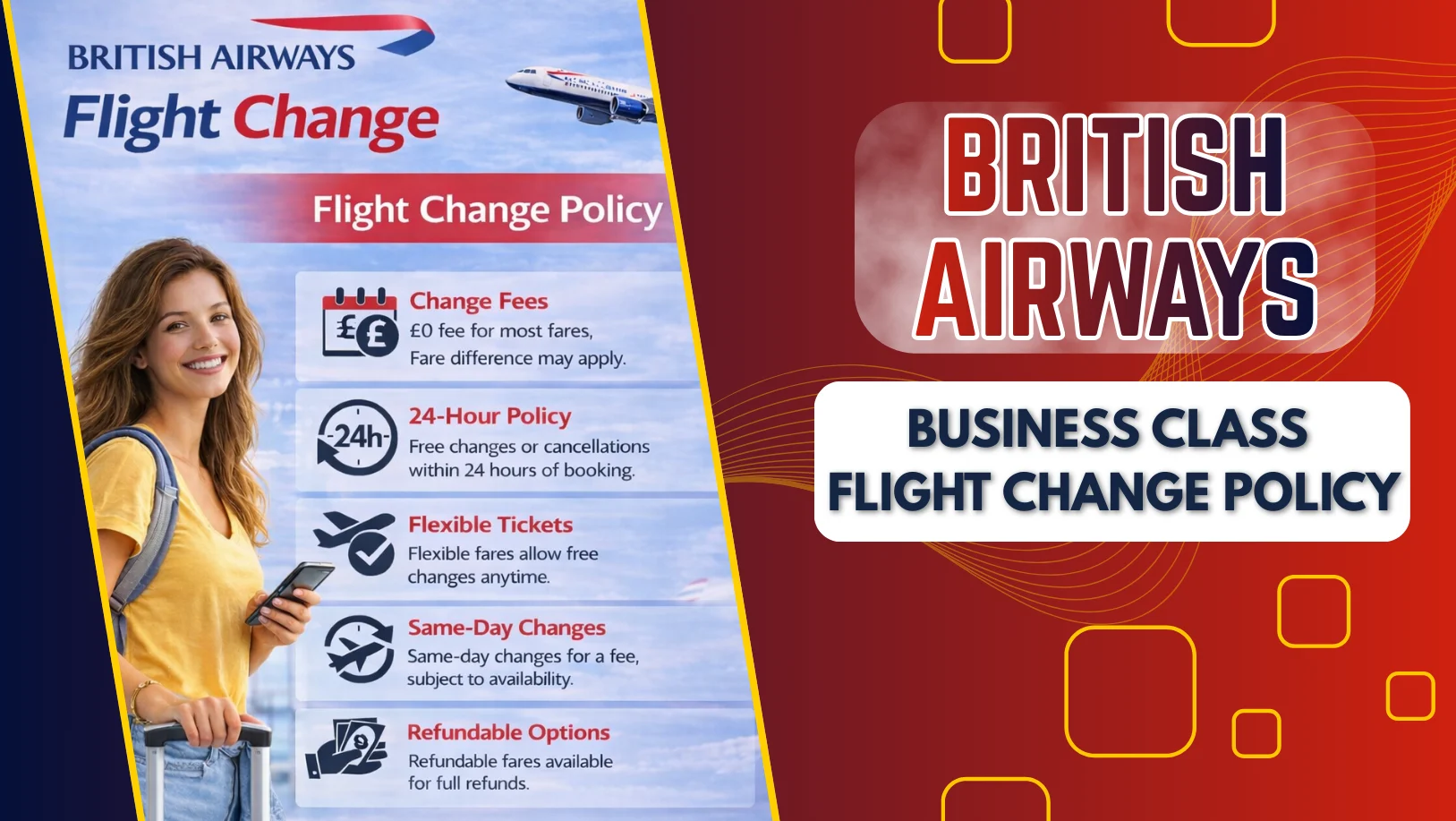
British Airways Business Class Flight Change Policy
British Airways Club World (Business Class) Flight Change Policy offers flexible changes with low or no fees on many fares, making it easy to update travel dates or routes online or with support.
Read More
Cathay Pacific Business Class Flight Change Policy
Cathay Pacific Business Class Flight Change Policy offers flexible rebooking with low or no change fees on many fares, making it easy to adjust travel dates or routes online or via support.
Read More