

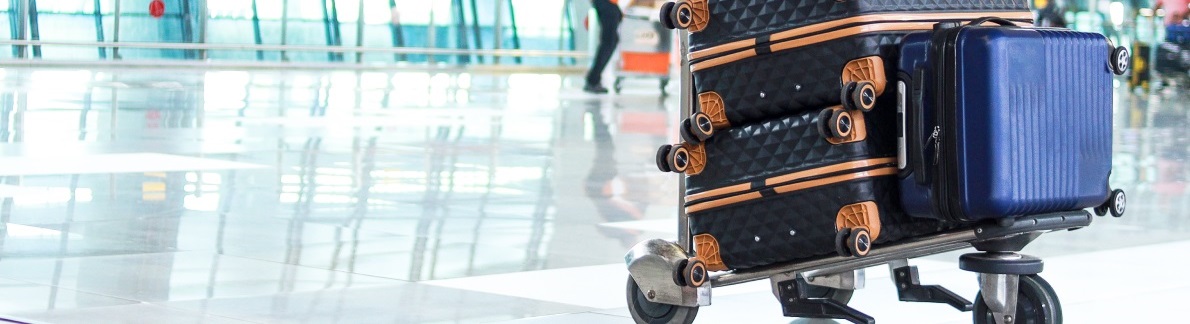
The Cathay Pacific Business Class baggage policy follows a structured piece concept system for most international routes. In general, Business Class passengers are permitted two checked bags, each weighing up to 32 kg, subject to route and ticket conditions. Each checked bag must typically not exceed 158 cm in total linear dimensions. Cabin baggage allowances are also generous, usually allowing two carry on items with a combined weight limit, plus a small personal item.
However, allowances may vary depending on origin, destination, fare family, and frequent flyer status within the oneworld alliance. Excess, overweight, and oversized baggage charges apply when limits are exceeded. This guide explains the Cathay Pacific Business Class baggage allowance in clear operational terms so travelers can avoid unexpected airport fees and plan confidently.

Cathay Pacific Business Class passengers are typically allowed two checked bags, each weighing up to 32 kg, under the piece concept system on most international routes. Each checked bag must usually not exceed 158 cm in total linear dimensions. In the cabin, travelers may bring two carry on bags with a combined weight limit of 10 kg, plus one small personal item such as a laptop bag or handbag. Excess, overweight, or oversized baggage charges may apply if limits are exceeded. Allowances can vary based on route, fare type, and oneworld elite status, so travelers should verify ticket-specific conditions before departure.
Under the standard Cathay Pacific Business Class baggage policy, most passengers are entitled to two checked bags when traveling on international flights. Each bag may weigh up to 32 kg. This structure applies to the majority of long haul and regional services operated by Cathay Pacific. The airline uses a piece concept framework rather than a weight concept for most international journeys, meaning the number of bags matters as much as total weight. Allowances may differ for specific regional or codeshare flights, so the ticketed routing determines final eligibility.
Business Class passengers may typically bring two pieces of carry on baggage onboard. The combined cabin baggage weight limit is generally 10 kg. In addition, one personal item is permitted, provided it fits beneath the seat in front. For checked baggage, two pieces are included, each up to 32 kg and within 158 cm linear dimensions. These rules form the foundation of the Cathay Pacific Business Class baggage allowance and are enforced at check in and boarding gates for operational safety and aircraft balance requirements.
The Cathay Pacific checked bag weight limit for Business Class is usually 32 kg per piece. This aligns with international premium cabin standards and occupational handling limits. Cabin baggage weight is capped at 10 kg combined across two bags. Each checked bag must remain within 158 cm total dimensions. If a bag exceeds weight or size limits, excess baggage fees apply. The airline evaluates each bag individually, not cumulatively, under the piece concept system. Route variations may apply, particularly on connecting partner flights.
Baggage allowance depends on the operating carrier, ticket class, and routing. Codeshare segments may follow the most significant carrier rule. Excess fees can vary by region and are often calculated per additional piece or weight tier. Dangerous goods restrictions apply to both checked and carry on baggage. Elite oneworld members may receive additional baggage benefits beyond the standard Business Class entitlement. Travelers are encouraged to review their electronic ticket and the official Cathay Pacific website for the most current policy updates prior to travel.
The Cathay Pacific Business Class baggage policy is structured around international aviation safety standards, ground handling limitations, and alliance coordination within oneworld. Most long haul international routes use the piece concept system, allowing a defined number of bags with specific weight limits per piece. This structure simplifies global travel planning for premium cabin passengers. While the allowance is generous compared to Economy Class, strict enforcement applies at airport check in counters to ensure compliance with aircraft load control requirements and occupational safety standards.
The standard Cathay Pacific Business Class baggage allowance generally includes two checked bags at 32 kg each, two carry on bags with a combined 10 kg limit, and one personal item. Priority baggage handling is typically included as part of the premium cabin experience. The allowance applies to most international flights marketed and operated by Cathay Pacific. Travelers should note that fare types, promotional tickets, or interline agreements may affect the final baggage entitlement printed on the ticket.
Cabin baggage refers to items carried into the aircraft cabin and stored in overhead compartments or under the seat. Checked baggage is transported in the aircraft hold and processed through airport baggage systems. Cabin baggage must comply with strict size and weight limits to ensure safe stowage and cabin accessibility. Checked baggage has higher weight allowances but must meet size restrictions. Both categories are subject to security screening and dangerous goods regulations. Understanding this distinction helps prevent boarding delays or forced gate checks.
Cathay Pacific operates an extensive international network from its hub in Hong Kong. Most long haul and regional routes follow the piece concept system for Business Class baggage. However, short regional sectors or flights operated by partner carriers may apply slightly different allowances. When itineraries involve multiple airlines, the most significant carrier rule typically determines baggage allowance. This determination depends on the primary transoceanic segment. Reviewing booking confirmations ensures travelers understand which airline’s baggage rules apply.
Within Business Class, fare families may differ in flexibility, refundability, and upgrade eligibility. While the standard checked baggage allowance usually remains consistent, some promotional or restricted fares may have different conditions. Corporate agreements and negotiated fares can also influence baggage entitlements. The applicable allowance is always shown on the ticket receipt and electronic booking record. Travelers should rely on the ticketed conditions rather than general marketing summaries when confirming baggage limits.
The Cathay Pacific cabin baggage policy is designed to balance passenger convenience with onboard safety. Business Class passengers benefit from a two piece carry on allowance, but weight and size compliance remains strictly enforced. Gate agents may request weighing or sizing of bags, particularly on full flights. Overhead bin space is shared among premium cabin passengers, so proper compliance helps ensure efficient boarding and avoids last minute gate checking.
Yes, Business Class passengers are typically allowed two carry on bags onboard. The total combined weight of these bags must generally not exceed 10 kg. Each bag must fit within the specified size limits established by Cathay Pacific. This allowance applies on most flights operated by the airline. However, aircraft type and cabin configuration may affect available storage space. If overhead bins are full, crew may gate check larger cabin items for operational reasons.
In addition to two carry on bags, one small personal item is allowed. This may include a handbag, laptop bag, small briefcase, or compact backpack. The item must fit under the seat in front of the passenger. Personal items should not obstruct aisles or emergency exits. While a specific weight limit may not always be separately stated for the personal item, it contributes to overall cabin baggage compliance and must remain manageable without assistance.
Overhead bins are shared storage areas. Larger cabin bags should be placed wheels first or flat to maximize available space. Smaller items should be stored beneath the seat when possible. Cabin crew retain authority to rearrange or relocate baggage for safety compliance. Items exceeding size limits may be removed and checked into the hold. Business Class cabins generally provide adequate storage, but compliance ensures a smoother boarding process for all passengers.
Liquids must comply with international security screening regulations, typically limited to containers of 100 ml each within a transparent resealable bag. Lithium batteries must remain in carry on baggage and meet watt hour limitations. Sharp objects, flammable materials, and prohibited dangerous goods are not allowed in cabin baggage. Travelers should consult the official Cathay Pacific website and relevant aviation authorities for updated dangerous goods guidance before departure.
Cathay Pacific applies defined cabin baggage limits to ensure safe stowage and compliance with aircraft storage capacity. While Business Class passengers receive a more generous allowance than Economy Class travelers, weight and dimension limits remain clearly enforced. Cabin crew and ground staff may verify compliance at check in and at the boarding gate. Understanding these limits in advance helps prevent last minute repacking or unexpected gate checks, particularly on full long haul services departing from Hong Kong or other major international hubs.
Under the Cathay Pacific Business Class carry on baggage allowance, passengers may bring two cabin bags with a combined total weight limit of 10 kg. This weight cap applies collectively rather than per individual bag. The rule is designed to maintain cabin safety and manage overhead bin loading constraints. If cabin baggage exceeds the limit, staff may require items to be checked into the aircraft hold. The policy typically applies across the airline’s international network, subject to operational discretion.
Each carry on bag must generally not exceed 56 cm x 36 cm x 23 cm, including wheels and handles. These dimensions align with international cabin baggage standards and are calibrated to fit overhead bins across Cathay Pacific’s fleet. Bags exceeding these measurements may not fit safely and could be refused for cabin transport. Sizing frames are often available at airport counters for verification. Travelers should measure luggage carefully before departure to avoid delays during boarding.
Personal items must be small enough to fit completely under the seat in front of the passenger. Acceptable examples include slim laptop bags, compact handbags, or small backpacks. Although a separate dimension limit may not always be published, the item must not obstruct emergency exits or passenger movement. It should remain easily stowable without assistance. Business Class seating often provides additional storage compartments, but passengers remain responsible for ensuring their personal item complies with size and accessibility requirements.
Acceptable cabin items typically include small roller suitcases within dimension limits, garment bags that fold within size restrictions, laptop cases, and compact backpacks. Duty free purchases may also be permitted in addition to standard cabin allowance, depending on airport security policies. Items must remain manageable by the passenger without assistance from crew. Oversized backpacks or expanded suitcases that exceed limits may be tagged for gate check. Reviewing baggage measurements before leaving home helps avoid inconvenience at the airport.
The Cathay Pacific Business Class checked baggage allowance is structured under the piece concept for most international itineraries. This means passengers are entitled to a defined number of bags, each subject to a maximum weight and size. The airline’s premium cabin policy is designed to accommodate business travelers and long haul passengers who may require additional luggage capacity. However, strict compliance applies at airport check in counters to ensure adherence to occupational safety standards and aircraft load balancing requirements.
Business Class passengers are typically permitted two checked bags on international routes operated by Cathay Pacific. Each piece is evaluated individually under the piece concept framework. This allowance applies to most long haul and regional international services. When itineraries involve partner airlines within the oneworld alliance, baggage rules may be determined by the most significant carrier on the ticket. Travelers should verify their specific allowance on the electronic ticket receipt prior to departure.
Each checked bag in Business Class may weigh up to 32 kg. This limit reflects international ground handling safety standards and is consistent with premium cabin allowances across many global carriers. Bags exceeding 32 kg are generally not accepted as checked baggage and may require repacking into separate pieces. The weight is assessed per bag rather than cumulatively. Airport check in counters use calibrated scales to confirm compliance before issuing baggage tags.
Each checked bag must typically not exceed 158 cm in total linear dimensions, calculated as length plus width plus height. This size limit ensures compatibility with automated baggage handling systems and aircraft cargo holds. Bags exceeding this dimension may be classified as oversized and subject to additional handling charges. Measuring luggage before departure helps prevent surprises at the airport. Oversized items are assessed individually based on their shape and structure.
Most long haul international flights follow the two piece, 32 kg per bag structure. Regional routes within Asia also generally adhere to the same Business Class allowance. However, short haul segments operated by subsidiary or partner carriers may have different policies. When multiple flights are included in one ticket, the most significant carrier rule usually applies. Travelers should confirm whether their entire itinerary is operated by Cathay Pacific to ensure consistency of baggage entitlement.
Cathay Pacific applies the piece concept system on most international flights, including routes between Asia, Europe, North America, and Australia. Under this structure, passengers are allowed a specific number of bags, each with a defined maximum weight. This differs from a total weight system, where overall combined weight is considered. The piece concept provides predictability for international travel and simplifies airport enforcement procedures.
Under the piece concept, the number of checked bags permitted is fixed. For Business Class, this is generally two pieces. Each bag must meet the maximum weight and size requirements individually. If a passenger travels with only one bag, the unused allowance cannot be transferred to increase the weight of the remaining bag beyond 32 kg. This structure ensures equitable distribution of cargo weight and protects baggage handlers from excessive lifting loads.
The weight limit per bag is usually 32 kg in Business Class. This maximum reflects international workplace safety guidelines for manual handling. Bags weighing more than 32 kg are typically refused as checked baggage, even if excess fees are paid. In such cases, passengers must redistribute contents into additional pieces within allowable limits. The rule applies per bag and is not flexible based on total combined weight.
Each checked bag must remain within 158 cm in total linear measurement. This calculation includes all protruding elements such as wheels and handles. The dimension limit ensures compatibility with automated sorting systems and aircraft cargo doors. If a bag exceeds this limit but remains within acceptable oversized thresholds, additional fees may apply. Extremely large items may require special cargo handling arrangements.
If a passenger presents more than two checked bags, the additional pieces are treated as excess baggage. Fees are assessed based on route and sector. Charges may vary depending on whether the extra bag is prepaid online or added at the airport. If a bag exceeds weight or size limits, both overweight and oversized fees may apply. Payment is typically required before baggage is accepted for transport.
Size compliance plays a critical role in the Cathay Pacific baggage policy. Aircraft cargo holds and airport conveyor systems operate within strict dimension tolerances. Even premium cabin passengers must adhere to maximum measurements. Oversized baggage may be accepted subject to additional charges, but extreme dimensions may require cargo shipment. Planning ahead prevents unnecessary handling complications at check in.
Checked baggage dimensions are calculated by adding the length, width, and height of the suitcase. The total must not exceed 158 cm. Measurements include wheels, handles, and external pockets. Airport staff may use measuring devices to verify compliance if a bag appears oversized. Soft sided luggage may offer slight flexibility, but total dimensions remain subject to evaluation.
Linear dimension is calculated as length plus width plus height. For example, a suitcase measuring 70 cm x 45 cm x 40 cm equals 155 cm total. This falls within the 158 cm limit. Travelers should measure carefully using a tape measure before departure. Exceeding the dimension limit may result in oversized classification and applicable charges.
Bags exceeding 158 cm but within defined oversized thresholds may be accepted subject to an additional fee. The maximum permissible size may vary depending on aircraft type and route. Extremely large items such as furniture or large equipment are generally not accepted as standard checked baggage. These items may need to be transported as cargo.
At check in, staff visually inspect luggage and may measure bags that appear large. If a bag exceeds size limits, applicable oversized baggage fees are calculated based on the route. Payment must be completed before baggage is tagged. Ground handling teams assess whether the item can safely fit within the aircraft hold. If not, alternative shipping options may be required.
Excess baggage charges apply when a passenger exceeds the standard Cathay Pacific Business Class baggage allowance in terms of piece count, weight, or size. These charges are calculated per sector and vary depending on origin, destination, and route region. The airline publishes route based excess baggage tables on its official website. Fees may be significantly higher if paid at the airport rather than prepaid online. Understanding these rules in advance helps Business Class travelers avoid unexpected costs during check in.
If a checked bag exceeds 32 kg, it is generally not accepted as standard checked baggage due to occupational safety restrictions. The passenger may be asked to repack items into additional pieces within the permitted weight limit. If the bag weighs between 23 kg and 32 kg in other cabins, overweight charges may apply, but in Business Class the maximum remains 32 kg per piece. Bags exceeding this threshold may require cargo transport rather than passenger baggage handling.
Cathay Pacific excess baggage fees are typically structured by geographic zone. Charges are assessed per additional piece beyond the standard two bag allowance. The cost varies between short haul Asian routes and long haul intercontinental flights. Fees are usually quoted in the local currency of departure. Because pricing may change, travelers should consult the official Cathay Pacific website before departure to confirm applicable rates for their specific itinerary.
Business Class passengers benefit from the highest standard weight limit per piece at 32 kg. If a bag exceeds this limit but remains within operational tolerance, additional overweight fees may apply where acceptance is permitted. However, most stations enforce the 32 kg cap strictly. If a passenger travels with more than two bags within the 32 kg limit, the third bag is charged as an extra piece rather than overweight.
Oversized baggage exceeding 158 cm in linear dimensions may incur additional fees even if within the weight limit. Charges depend on route and aircraft type. Oversized items are handled separately and may be delivered at a special baggage counter upon arrival. The airline reserves the right to refuse items that cannot fit through cargo hold doors or exceed structural limits. Advance notice is recommended for unusually large items.
Cathay Pacific allows passengers to purchase additional baggage beyond the standard Business Class allowance. Pre purchasing extra baggage online often results in lower fees compared to airport rates. This option is available through the manage booking section on the airline’s official website. Purchasing additional baggage in advance helps streamline airport processing and reduces financial surprises at check in.
Passengers can log into their booking through the Cathay Pacific website and select additional baggage before departure. Payment is typically required at the time of purchase using accepted online payment methods. Prepaid baggage is attached to the ticket record and reflected in the passenger name record. The purchase applies to specific flight sectors and may not automatically transfer to partner operated segments.
Additional baggage can also be purchased at airport check in counters. However, airport rates are generally higher than online pre purchase rates. Payment methods may vary by location, but major credit cards are commonly accepted. The baggage must still comply with maximum weight and size limits. Even if fees are paid, bags exceeding absolute safety limits may be refused.
Pre purchasing extra baggage provides cost savings and operational certainty. It reduces the risk of delays during airport check in. It also allows passengers to plan packing with confidence. Business travelers carrying trade materials or extended stay luggage often benefit from securing additional pieces in advance rather than negotiating space at the airport.
Payment for extra baggage is typically accepted via major credit cards and other electronic payment systems supported on the Cathay Pacific platform. At airports, local currency and internationally recognized cards are commonly accepted. Some stations may have limitations on cash handling. Travelers should ensure sufficient payment authorization prior to arrival at the airport.
As a member of the oneworld alliance, Cathay Pacific extends additional baggage benefits to eligible elite status travelers. These privileges apply when traveling on oneworld marketed and operated flights. Elite baggage benefits are cumulative with cabin class allowance unless otherwise specified. The level of additional baggage depends on the tier status held within the alliance.
oneworld Sapphire members typically receive one additional checked bag beyond the standard cabin allowance when traveling on eligible itineraries. For Business Class passengers, this may result in a total of three checked bags, each within the 32 kg limit. The benefit applies when the frequent flyer number is included in the booking prior to check in.
oneworld Emerald members also receive at least one additional checked bag on eligible flights. In some cases, Emerald status may offer enhanced priority services alongside extra baggage privileges. The precise benefit depends on the operating carrier’s published rules. Passengers should ensure their elite status is properly reflected in the booking record before travel.
Business Class passengers and oneworld elite members typically receive priority baggage tags. These tags indicate expedited handling at transfer points and arrival airports. While priority handling aims to deliver luggage earlier, it is not a guarantee of first delivery. Operational conditions may influence baggage unloading order.
Frequent flyer status may increase the number of permitted checked bags but does not override maximum weight per bag restrictions. The 32 kg cap per piece generally remains unchanged. Elite benefits apply only when status is recognized within the reservation system. Passengers should confirm that their membership number is attached to the booking before departure.
Certain items require special handling under the Cathay Pacific baggage policy. These include sports equipment, musical instruments, fragile items, and oversized gear. Acceptance is subject to size, weight, and safety limitations. Advance notification is often recommended to ensure space availability in the aircraft hold.
Sports equipment may count as part of the standard checked baggage allowance if within size and weight limits. If equipment exceeds 158 cm or 32 kg, excess or oversized charges may apply. Some items may require protective cases. The airline evaluates each item individually based on operational feasibility.
Golf bags and ski equipment are commonly accepted as checked baggage. If within 158 cm and 32 kg, they may count as one standard piece. Surfboards often exceed standard dimensions and may incur oversized fees. Protective packaging is strongly recommended to minimize damage risk during transport.
Bicycles typically require advance notice and must be packed in a protective case. Pedals should be removed or secured, and handlebars fixed parallel to the frame. Due to size considerations, bicycles often incur oversized baggage charges. Acceptance depends on aircraft type and cargo hold capacity.
Small musical instruments may be carried onboard if they fit within cabin baggage limits. Larger instruments generally require checked baggage transport or the purchase of an additional seat. Proper protective casing is essential to prevent damage during handling.
Violins or similarly sized instruments may qualify as cabin baggage if within dimension and weight limits. The instrument must fit either in the overhead bin or under the seat. Cabin crew determine final placement based on space availability.
Larger instruments such as cellos may need to be checked if no additional seat is purchased. They must remain within weight limits and be packed securely. If size exceeds 158 cm, oversized fees may apply.
Valuable items should be transported in cabin baggage whenever possible. The airline’s liability for fragile items placed in checked baggage may be limited under international conventions. Proper packing reduces risk of damage.
Items such as passports, electronics, medications, jewelry, and business documents should remain in cabin baggage. These items are essential or high value and should not be placed in checked luggage.
Fragile items placed in checked baggage should be cushioned with protective materials. Hard shell suitcases offer better structural protection. Passengers may request fragile handling tags, but these do not eliminate all risk.
Infant baggage allowances differ from adult entitlements and are subject to specific rules. Policies depend on whether the infant occupies a seat or travels on an adult’s lap. Business Class passengers traveling with infants should verify conditions in advance.
Infants without a separate seat may receive a limited checked baggage allowance, often one small bag within specified weight limits. The allowance varies by route and fare type. Parents should confirm entitlement at booking.
Collapsible strollers are typically accepted free of charge in addition to standard baggage allowance. Strollers may be checked at the counter or at the gate, depending on airport procedures. Car seats may also be accepted subject to compliance.
Passengers traveling with infants may carry reasonable quantities of baby food, formula, and essential supplies. Security screening exemptions may apply for medically necessary liquids. Items must comply with aviation security standards.
Families should allow additional time at the airport for baggage processing and security checks. Labeling infant items clearly helps reduce misplacement risk. Confirming baggage allowances in advance prevents confusion at check in.
Although rare, delayed or misplaced baggage can occur due to operational disruptions or transfer timing issues. Cathay Pacific provides structured procedures for reporting and tracking delayed luggage.
Passengers should report delayed baggage immediately at the airport baggage service desk. A property irregularity report will be issued. Retaining the baggage tag receipt is essential for tracking purposes.
Claims for lost or damaged baggage must typically be submitted within defined time limits. Documentation such as receipts and boarding passes may be required. Claims can often be filed online through the airline’s official platform.
Tracking reference numbers allow passengers to monitor baggage status updates online. Delivery arrangements are coordinated once the bag is located. Contact details should remain updated in the booking record.
Compensation is generally governed by international conventions such as the Montreal Convention. Liability limits apply unless higher value declarations were made prior to travel. Passengers should review official conditions of carriage for details.
Careful planning helps Business Class passengers maximize their Cathay Pacific baggage allowance while avoiding unnecessary charges. Even with generous limits, strategic packing improves travel efficiency.
Choose lightweight luggage and organize items using packing cubes. Distribute weight evenly between two checked bags rather than concentrating contents in one suitcase. This approach reduces risk of exceeding the 32 kg per bag limit.
Using a home luggage scale helps confirm compliance before departure. This simple step prevents last minute repacking at the airport. Confirm that each bag remains under 32 kg.
Compression bags reduce clothing volume but may increase weight density. Monitor total weight carefully when using these tools. Efficient folding techniques maximize space without exceeding limits.
Align packing quantity with trip duration and destination climate. Business Class allowances are generous, but disciplined packing reduces handling complexity. Short trips may not require the full two bag entitlement.
The Cathay Pacific Business Class baggage policy provides a competitive and structured allowance aligned with global premium cabin standards. However, final entitlement always depends on ticket conditions, routing, and operating carrier. Before departure, review your booking details and confirm current rules directly through the official Cathay Pacific website. Doing so ensures clarity, prevents avoidable fees, and supports a smooth airport experience.
The Cathay Pacific Business Class Baggage Policy is designed to support premium travelers with a clear structure for both checked and cabin luggage on international routes. In most cases, passengers may check two bags up to 32 kg each, while carry on baggage typically includes two cabin bags plus a small personal item such as a laptop bag or handbag. This framework forms the basis of the Cathay Pacific Business Class baggage allowance, although the exact limits may vary depending on route, fare type, and frequent flyer benefits. Travelers often review guidance from Cathay Pacific or trusted aviation authorities such as IATA to confirm the latest policy details before departure.
Understanding Cathay Pacific business class baggage rules can help travelers plan luggage efficiently and reduce the chance of unexpected airport costs. Long haul passengers and frequent flyers earning Asia Miles often benefit from the generous structure. However, baggage allowances may change on codeshare flights or partner operated segments within the oneworld alliance, where IATA first marketing carrier standards may determine which policy applies. Early planning also helps travelers avoid unnecessary Cathay Pacific excess baggage fees.
For travelers seeking help with premium flight planning, Ticket Business Class may assist with fare options and baggage questions. For support with international travel arrangements, contact +1-877-243-8320 to speak with a travel specialist.
In Cathay Pacific Business Class, passengers are typically permitted to check two pieces of luggage. For expert assistance with your specific itinerary or to confirm your allowance, you may contact Ticket Business Class at +1-877-243-8320.
Yes, Cathay Pacific Business Class passengers are generally allowed one main carry-on bag plus one personal item, such as a handbag or laptop case. The combined weight for these items should not exceed the stipulated cabin baggage limit. Ticket Business Class is an independent travel agency and is not affiliated with or endorsed by any airline.
Cathay Pacific Business Class passengers are usually allowed to check in two pieces of baggage. This standard allowance provides ample space for travelers on long-haul routes. For precise details based on your fare type, consulting the airline or your travel agent is recommended. Ticket Business Class is an independent travel agency and is not affiliated with or endorsed by any airline.
For Cathay Pacific Business Class, each checked bag typically has a weight limit of 32 kilograms (70 pounds). This generous allowance helps ensure a comfortable travel experience. It is always advisable to verify the specific limits for your route before departure. Ticket Business Class is an independent travel agency and is not affiliated with or endorsed by any airline.
If your Cathay Pacific Business Class baggage exceeds the weight limit, excess baggage charges will apply. For safety reasons, any single piece weighing over 32kg cannot be accepted and must be repacked. Fees vary by route, and purchasing additional allowance online beforehand may offer savings.
Yes, Cathay Pacific Business Class inherently includes a more generous baggage allowance compared to Economy, typically offering two checked pieces. This is considered a premium benefit of the cabin. However, specific allowances can vary slightly depending on the fare class and route. Always check your ticket details.
On Cathay Pacific, sports equipment like golf clubs or skis are generally counted as part of your standard checked baggage allowance in Business Class. They must adhere to the size and weight restrictions to avoid excess fees. For oversized or unusual items, it is best to inform the airline in advance.
Yes, oneworld elite members often receive an additional baggage allowance when flying on Cathay Pacific, even in Business Class. The specific benefit depends on your tier status. For personalized assistance with your booking or status benefits, you may contact Ticket Business Class at +1-877-243-8320.
For Cathay Pacific Business Class, the maximum total linear dimensions (length + width + height) for each checked bag is typically 158 centimeters (62 inches). Ensuring your luggage meets these specifications helps avoid delays or additional handling fees at the airport.
Yes, passengers can purchase additional baggage allowance for their Cathay Pacific flight through the "Manage My Booking" section on the airline's website. Doing so at least 24 hours before departure often comes with a discount compared to paying at the airport. This is a convenient way to manage extra luggage needs.
The standard carry-on weight limit for Cathay Pacific Business Class is 10 kilograms (22 pounds). While enforcement can vary, it is always best to adhere to this guideline to ensure a smooth boarding process and safe storage in the overhead compartments.
Yes, you can bring golf clubs on Cathay Pacific Business Class. They are considered part of your checked baggage allowance. As long as they fit within the overall weight and size restrictions, you will not incur additional sports equipment fees. It is wise to use a protective travel case.
Cathay Pacific generally allows small musical instruments, such as violins, as a carry-on item if they fit within the size and weight restrictions for Business Class. For larger instruments, you may need to purchase an extra seat or check them in the cargo hold. Always contact the airline for specific approval.
The fee for an extra checked bag on Cathay Pacific varies significantly by route. For example, a flight from Hong Kong to the US will have a higher fee than a regional flight. You can find the exact cost for your journey on the airline's website or by checking your booking details.
While the official limit is 10kg, Cathay Pacific is often not extremely strict with carry-on weight for Business Class passengers unless the bag appears visibly overpacked or heavy. However, to ensure compliance and a hassle-free experience, it is recommended to stay as close to the limit as possible.
Yes, infants (under 2 years old) traveling on a Cathay Pacific Business Class ticket are usually entitled to a checked baggage allowance, though it is often less than a full-fare adult. They are also typically allowed a collapsible stroller and a car seat. Specific allowances should be confirmed at booking.
Generally, Cathay Pacific does not allow passengers to pool or combine their individual baggage allowances. Each passenger's allowance is based on their own ticket and fare conditions. It is important to pack accordingly to avoid excess charges for overweight or extra pieces.
Like all international carriers, Cathay Pacific prohibits dangerous goods in checked baggage, including lithium batteries, explosives, flammable items, and compressed gases. For a full list of prohibited items, it is essential to review the airline's dangerous goods guidelines before packing to ensure safety and compliance.
Your Cathay Pacific Business Class ticket typically includes your ski or snowboard equipment as part of your standard checked baggage allowance, provided the total weight and size are within the limits. If the bag exceeds the allowance, standard excess charges will apply. Proper packaging is required.
If your baggage is damaged on a Cathay Pacific flight, you should report it immediately at the airport's baggage service office before leaving the arrivals area. For post-departure claims, you must contact the airline's baggage department promptly. For booking assistance, you may contact Ticket Business Class at +1-877-243-8320. Ticket Business Class is an independent travel agency and is not affiliated with or endorsed by any airline.
 Expert Travel Assistance
Instant Booking Confirmation
Flexible 24-Hour Cancellation
Book Now, Pay Later Options
Exclusive Business Class Deals

Delta Air Lines Business Class (Delta One) Baggage Policy lets you bring two checked bags and one carry-on. Review weight limits and fees to travel smoothly and avoid extra charges.
Read More
Emirates Business Class Baggage Policy allows two checked bags and one carry-on. Check weight limits and fees to ensure a hassle-free and comfortable journey.
Read More
Etihad Airways Business Class Business Studio Baggage Policy lets you bring two checked bags and one carry-on. Confirm weight limits and fees for a smooth travel experience.
Read More