

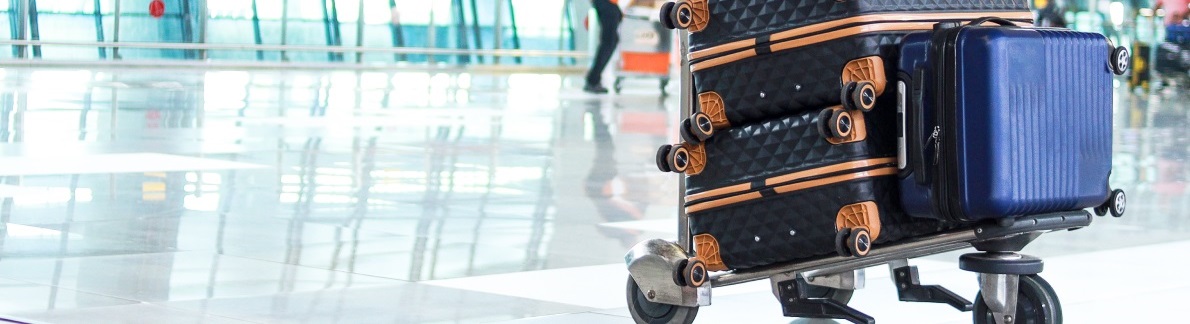
The Turkish Airlines Business Class Baggage Policy is structured around two systems: the weight concept and the piece concept, depending on route. In most international Business Class itineraries, passengers are typically allowed two checked bags, each weighing up to 32 kg, with a maximum linear dimension of 158 cm per bag. On weight concept routes, a total weight allowance usually applies instead of a fixed number of pieces. Cabin baggage generally includes two carry on items plus a personal item, subject to defined size and weight limits.
However, baggage rules may vary by destination, especially on flights to the United States, Canada, and certain intercontinental markets. Overweight, oversized, and extra baggage fees can apply when limits are exceeded. This guide explains how Turkish Airlines applies its baggage framework, what Business Class travelers can expect, and how to avoid unexpected charges before departure.

The Turkish Airlines Business Class Baggage Policy generally allows two checked bags up to 32 kg each on piece concept routes, including most flights to North America. On weight concept routes, Business Class passengers typically receive a total checked baggage allowance of 40 kg. Cabin baggage usually includes two carry on bags up to 8 kg each, plus one personal item within specified size limits. Overweight, oversized, and additional bag charges apply when limits are exceeded. The exact allowance depends on route, ticketed fare conditions, and whether the itinerary includes codeshare or partner airline segments.
Under the standard piece concept applied on many intercontinental routes, including flights to North America, Business Class passengers on Turkish Airlines are typically permitted two checked bags. Each bag may weigh up to 32 kg. On routes operating under the weight concept, the allowance is defined by a total weight limit, commonly 40 kg for Business Class. The exact number of permitted pieces may depend on destination and fare basis. Travelers should always confirm their specific ticket conditions before travel, especially when connecting across different regions.
Business Class passengers are generally allowed two cabin bags, each weighing up to 8 kg. In addition, one personal item such as a handbag or laptop bag is permitted within defined size limits. Cabin bag dimensions typically must not exceed 55 x 40 x 23 cm. The combined weight and size are monitored at check in and boarding gates. While Business Class travelers receive priority boarding, cabin storage remains subject to aircraft capacity and safety regulations. Oversized cabin bags may be transferred to checked baggage at the gate.
Turkish Airlines applies two baggage calculation systems. The piece concept defines the number of bags allowed and a maximum weight per piece. This system is common on flights to the United States, Canada, and certain long haul markets. The weight concept defines a total kilogram allowance without limiting the number of pieces, provided no individual bag exceeds the maximum permitted weight. The system applied depends on the route and is shown during booking. This structure aligns with international baggage frameworks used by many global carriers.
If a checked bag exceeds 32 kg, it is generally not accepted as standard baggage due to occupational safety limits. Overweight charges apply when a bag exceeds the standard allowance but remains within permissible thresholds. Oversized baggage fees apply when linear dimensions exceed 158 cm. Additional pieces beyond the included allowance incur excess baggage charges, calculated by route region. Fees may be lower when prepaid online compared to airport payment. Charges vary significantly by geographic zone, making advance planning essential.
The baggage concept applied to your itinerary determines how allowance is calculated. On weight concept routes, Business Class travelers usually receive a total weight allowance of 40 kg. There is no strict piece limit, but each individual bag must remain within maximum weight and size parameters. On piece concept routes, typically two bags of up to 32 kg each are permitted. The route determines which system applies. This distinction exists because international aviation agreements, particularly involving North America, require standardized piece based structures.
On domestic flights within Türkiye, Business Class passengers generally receive a total baggage allowance under the weight concept system. The allowance is commonly lower than intercontinental routes, often around 30 kg. Domestic routes are structured differently due to shorter stage lengths and aircraft types. While cabin baggage allowances remain consistent, checked baggage capacity may vary slightly based on aircraft size. Travelers connecting from domestic to international flights should verify whether the international allowance applies to the entire itinerary.
International Business Class baggage allowances depend on the route region. For many long haul intercontinental flights, particularly to North America, the piece concept applies with two checked bags of up to 32 kg each. On other international routes operating under the weight concept, a 40 kg total allowance is common. This allowance supports the premium positioning of Business Class while maintaining operational consistency. Variations may apply based on fare family or promotional ticket categories, so reviewing ticket conditions remains important.
Certain destinations may have adjusted allowances due to bilateral agreements or commercial considerations. Promotional Business Class fares may occasionally maintain standard baggage, but travelers should confirm this during booking. Codeshare flights operated by partner airlines may apply different baggage policies. In such cases, the most significant carrier rule usually applies under international baggage resolution standards. Always review the baggage details displayed on your e ticket confirmation and verify with the operating carrier before departure.
Business Class passengers are typically permitted two cabin bags onboard. Each bag must comply with size and weight restrictions to ensure safe stowage in overhead compartments. This allowance reflects the premium cabin experience, where travelers often carry work materials or personal items. The two bag rule applies per passenger and cannot be shared across travelers. If cabin storage reaches capacity, gate agents may request voluntary check in of carry on bags, particularly on full flights using narrow body aircraft.
In addition to two cabin bags, one personal item is allowed. Acceptable personal items include a handbag, laptop case, or small backpack that fits under the seat in front of you. The item must not exceed specified dimensions, generally smaller than standard cabin baggage limits. Personal items must remain stowed during taxi, takeoff, and landing. This allowance ensures travelers can keep essential documents and electronics accessible without affecting overall cabin safety or storage limitations.
Each cabin bag in Business Class typically carries a maximum weight limit of 8 kg. While premium passengers receive enhanced service benefits, weight restrictions apply equally for safety reasons. Cabin bins are designed to hold specific loads, and excessive weight can pose operational risks. Airline staff may weigh cabin baggage during check in or at the gate. If a bag exceeds the permitted limit, it may need to be checked into the cargo hold, potentially subject to standard baggage rules.
Cabin baggage dimensions are generally limited to 55 x 40 x 23 cm, including wheels and handles. In inches, this equates approximately to 21.6 x 15.7 x 9 inches. These measurements ensure compatibility with overhead compartments across different aircraft types. Personal items must fit beneath the seat. Business Class cabins may offer slightly larger bins on wide body aircraft, but official size limits remain unchanged. Using compliant luggage reduces the likelihood of last minute gate checking or delays.
Certain items cannot be transported in cabin baggage due to international aviation security rules. Prohibited items typically include sharp objects, flammable materials, and compressed gases. Security screening procedures apply equally to all passengers regardless of cabin class. Business Class privileges do not exempt travelers from standard safety compliance. Understanding these restrictions before packing helps prevent delays at airport security and reduces the risk of confiscation.
Liquids carried in cabin baggage must comply with international security limits, typically restricted to containers of 100 ml each within a transparent resealable bag. Electronic devices such as laptops and tablets are permitted but may require separate screening. Duty free liquids purchased after security are generally allowed if sealed properly. These rules align with global aviation security standards and are enforced consistently across departure airports, including those outside Türkiye.
Essential medical items such as prescription medication, mobility aids, or assistive devices are generally permitted in cabin baggage. Supporting documentation may be requested during screening. Business Class passengers traveling with medical equipment should notify the airline in advance if special handling is required. Items such as CPAP machines are typically allowed onboard. Advance communication ensures smoother boarding and reduces uncertainty at security checkpoints.
Turkish Airlines structures its Business Class checked baggage allowance under two international systems: the weight concept and the piece concept. The applicable system depends on route geography, particularly whether travel involves North America or other intercontinental markets. Business Class provides a higher allowance than Economy, but strict safety and occupational handling limits still apply. Maximum weight per bag, size restrictions, and regional compliance rules remain enforced regardless of fare level. Understanding which concept applies to your ticket is essential to avoid excess baggage charges at the airport.
Under the weight concept, Business Class passengers are typically granted a total checked baggage allowance of 40 kg. There is no fixed number of pieces, provided each individual bag does not exceed the airline’s maximum per piece weight limit, which is generally 32 kg. This concept is common on routes outside North America. It offers flexibility for travelers carrying multiple smaller bags, though total combined weight must remain within the permitted limit. Airport staff will weigh all checked pieces collectively at the counter.
On routes operating under the piece concept, most notably flights to and from the United States and Canada, Business Class passengers are usually permitted two checked bags. Each bag may weigh up to 32 kg. The number of included pieces is fixed, and additional pieces incur excess baggage fees. This system aligns with North American regulatory standards and interline baggage agreements. Even if the total weight is below 64 kg, exceeding two pieces will trigger additional charges unless elite status benefits apply.
Regardless of route concept, Turkish Airlines generally does not accept a single checked bag exceeding 32 kg. This limit reflects occupational safety regulations for baggage handling personnel. If a bag exceeds this threshold, repacking into separate pieces may be required at the airport. Travelers should weigh luggage before departure to avoid last minute restructuring. Even when total allowance permits higher combined weight, the per bag maximum remains strictly enforced. This is consistent with international airline handling standards.
Each checked bag must typically not exceed 158 cm in total linear dimensions. This measurement includes length, width, and height combined. Oversized baggage exceeding this limit may incur additional fees or require special handling arrangements. Business Class passengers are not exempt from dimensional compliance. Large sporting items or irregular shaped baggage may be classified differently under special baggage rules. Measuring luggage in advance reduces uncertainty and prevents unexpected charges at check in counters.
Sports equipment such as golf clubs, skis, or diving gear may be accepted as part of the checked baggage allowance if within size and weight limits. If dimensions exceed 158 cm or weight surpasses standard thresholds, special baggage fees may apply. Some items may require advance notification. Acceptance depends on aircraft type and cargo capacity. Travelers should review specific sports equipment guidelines on the official Turkish Airlines website (www.turkishairlines.com) before travel to confirm handling conditions and potential additional charges.
Weight and size limitations are enforced to ensure aircraft balance, safe loading procedures, and compliance with international safety standards. Business Class offers generous allowances, but operational limits remain unchanged across cabin classes. The airline applies consistent measurement criteria at check in counters worldwide. Oversized or overweight baggage may delay departure if repacking is required. Travelers benefit from reviewing luggage dimensions and weight before arriving at the airport, particularly on long haul international routes.
The standard maximum weight per checked bag in Business Class is 32 kg. This limit applies even when the route uses the weight concept. Bags weighing between the included allowance and the maximum threshold may incur overweight fees. The 32 kg limit is widely adopted across international carriers due to labor safety regulations. Passengers transporting heavier items should distribute weight across multiple suitcases. This approach prevents operational complications during check in and aircraft loading.
Checked baggage must generally not exceed 158 cm when length, width, and height are added together. This dimension aligns with global airline standards. Bags exceeding this measurement may be classified as oversized and subject to additional charges. Certain special items may exceed this size but require prior arrangement. Linear measurement is verified at the airport using measurement frames or manual tools. Ensuring compliance in advance avoids last minute repacking or separate cargo processing requirements.
Bags exceeding the included allowance but remaining under 32 kg may be accepted with an overweight surcharge. However, bags exceeding 32 kg are typically refused for safety reasons. In such cases, passengers must redistribute items into additional pieces. Overweight charges vary by route region and are calculated according to geographic zones. Payment can be made online in some markets at discounted rates. Airport payment may be higher, depending on route and currency regulations.
Airport staff enforce baggage limits at check in to comply with aviation safety and labor handling policies. Cabin class does not override these operational requirements. Weight scales and dimension checks are standard practice. Gate agents may recheck cabin baggage if necessary. Enforcement procedures are consistent across the Turkish Airlines global network. This ensures uniform application of policy and protects both crew and ground staff. Travelers are advised to arrive early when carrying multiple or heavy bags.
Overweight, oversized, and excess piece charges vary by region and route structure. Fees are calculated according to defined geographic zones rather than flat global rates. Business Class travelers receive higher included allowances, but additional charges apply when limits are exceeded. The airline publishes zone based fee tables through its official channels. Because fees can differ significantly between regions, verifying current charges before departure is strongly recommended.
Overweight fees are typically calculated based on how many kilograms exceed the permitted allowance. On weight concept routes, excess is charged per kilogram. On piece concept routes, overweight charges apply when a bag exceeds 23 kg or 32 kg thresholds, depending on route. Charges vary by region such as Europe, Middle East, Asia, Africa, or North America. Rates may be quoted in euros or local currency. Travelers should consult updated regional fee tables before travel.
Oversized baggage exceeding 158 cm in linear dimension may incur fixed fees depending on route. Charges vary by geographic zone and are separate from overweight penalties. If a bag is both oversized and overweight, both charges may apply cumulatively. Certain oversized items require advance approval. Aircraft cargo capacity can influence acceptance. Travelers should confirm size limits in advance to prevent check in complications or potential refusal of transport.
On piece concept routes, additional checked bags beyond the included two pieces incur excess piece charges. Fees vary by destination region and can be substantial on long haul intercontinental routes. Even if the total weight is below combined limits, each extra piece is charged separately. Elite status benefits may provide additional pieces, subject to program rules. Prepaying extra baggage online often reduces overall cost compared to airport payment.
Turkish Airlines may offer discounted rates for excess baggage purchased online before departure. Airport payment typically reflects standard or higher rates. Online prepayment options may close a few hours before scheduled departure. Currency exchange differences may also influence final cost when paying at foreign airports. Travelers are encouraged to evaluate their baggage needs in advance and secure prepaid allowances when possible to minimize unexpected expenses.
Business Class passengers receive an enhanced cabin baggage allowance, yet size and safety regulations remain consistent across all fare types. Turkish Airlines applies standardized cabin measurements to ensure compatibility with overhead bins across both narrow body and wide body aircraft. These limits are enforced at check in and occasionally at boarding gates. Even premium cabin travelers must comply with published restrictions. Reviewing the official baggage page on Turkish Airlines before departure helps prevent last minute adjustments or forced gate checking of oversized carry on items.
Each carry on bag must typically not exceed 55 x 40 x 23 cm, including wheels, handles, and external pockets. In inches, this corresponds to approximately 21.6 x 15.7 x 9 inches. These measurements ensure proper stowage in overhead compartments across the airline’s fleet. Aircraft type does not alter official dimension limits. Even on long haul wide body flights with larger bins, the published restriction remains applicable. Compliance reduces boarding delays and ensures cabin safety standards are upheld consistently across international stations.
Business Class passengers may bring one personal item in addition to their two cabin bags. This item should fit under the seat in front and typically includes handbags, laptop bags, briefcases, or compact backpacks. While specific measurements may not always be prominently stated, the item must remain small enough to avoid obstructing aisle or emergency access. Oversized personal items may be counted as cabin baggage. Travelers carrying delicate electronics or important documents benefit from keeping these items within easy reach.
Soft sided garment bags designed for cabin use may be permitted if they meet standard carry on dimensions and weight limits. If folded dimensions exceed approved size, the item may require checking. Hard sided briefcases must also comply with the 55 x 40 x 23 cm maximum. Business Class travelers often carry formal attire for meetings or events. Ensuring garment bags meet size standards prevents disruption during boarding. Cabin crew retain discretion to reassign non compliant items to checked baggage when necessary.
Smart luggage equipped with lithium batteries must comply with international dangerous goods regulations. If the battery is removable, it must typically be carried in the cabin rather than checked in. Non removable lithium batteries may render the bag unacceptable as checked baggage. These rules align with global aviation safety frameworks and apply regardless of travel class. Business Class passengers should verify battery watt hour ratings before departure. Compliance avoids delays and ensures adherence to international air transport safety standards.
Turkish Airlines operates one of the most extensive global networks, serving over 300 destinations. Because of this scale, baggage policies reflect regional regulatory and commercial structures. While Business Class allowances are generally generous, variations exist between short haul, regional, and long haul intercontinental routes. The applicable concept is displayed during booking and on the electronic ticket. Understanding these regional distinctions ensures accurate expectation management and prevents misunderstanding at transfer airports or during multi sector journeys.
Flights within Europe and between Europe and the Middle East frequently operate under the weight concept system. Business Class passengers commonly receive a 40 kg total checked baggage allowance on these routes. However, short haul aircraft may have more limited cargo capacity. This does not reduce the official allowance but may require operational adjustments during peak travel periods. Travelers connecting onward to piece concept destinations should confirm whether the most significant carrier rule applies to the full itinerary.
Flights to and from the United States and Canada typically operate under the piece concept. Business Class passengers are usually permitted two checked bags weighing up to 32 kg each. This structure aligns with North American regulatory standards and interline baggage agreements. Excess pieces incur separate charges regardless of total combined weight. Because fees on transatlantic routes can be higher than regional sectors, confirming allowance before departure is particularly important for travelers carrying multiple large suitcases.
Many routes to Asia and Africa operate under the weight concept, with Business Class passengers generally allowed 40 kg total checked baggage. However, certain destinations may apply route specific conditions due to bilateral agreements. Cargo capacity on specific aircraft types may influence acceptance of oversized items. Travelers transporting sports equipment or commercial samples should confirm acceptance in advance. The official baggage calculator on the airline’s website provides route based confirmation of allowance before finalizing packing decisions.
When itineraries involve multiple segments, baggage allowance is typically determined by the most significant carrier rule under international resolution standards. If all segments are operated by Turkish Airlines, the long haul sector often determines allowance. In codeshare scenarios, the operating carrier’s rules may apply. This can create confusion for passengers traveling across continents. Reviewing the baggage details printed on the ticket and confirming with the airline prior to departure minimizes risk of inconsistent application at transfer points.
Passengers requiring additional baggage beyond the included Business Class allowance may purchase extra capacity. Turkish Airlines offers structured excess baggage options that vary by route region and baggage concept. Charges are calculated per kilogram under the weight concept or per additional piece under the piece concept. Planning ahead is financially advantageous. Online purchase options frequently provide discounted pricing compared to airport counter rates, subject to time limitations before scheduled departure.
Online excess baggage purchase is typically available through the Manage Booking section of the airline’s website. Travelers can calculate fees based on route and baggage concept. Prepaid rates are often lower than airport rates, though availability may close several hours prior to departure. Payment is usually processed in the currency associated with the departure country. Keeping digital receipts accessible during travel helps resolve any discrepancies at the airport counter.
Excess baggage can also be purchased at airport check in counters. However, airport rates may be higher and are subject to local currency conversion. Payment methods may vary by location. During peak travel periods, processing excess baggage at the counter can extend check in time. Arriving early is advisable when transporting multiple or overweight bags. Airport staff calculate charges based on regional zone tables and the applicable baggage concept.
Discounted prepaid baggage options are designed to encourage advance planning and reduce airport congestion. These discounted rates apply only when purchased within the specified time window before departure. Not all fare types or markets may offer identical discount structures. The savings can be meaningful on long haul intercontinental routes. Reviewing excess baggage needs immediately after ticket issuance provides the widest range of discounted purchase opportunities.
Corporate contracts or group travel agreements may include negotiated baggage benefits beyond standard Business Class allowance. These benefits depend on contractual terms between the airline and the organization. Group coordinators should verify baggage entitlements in writing before departure. Individual travelers within a group booking should not assume automatic additional baggage without confirmation. Documentation at check in supports smooth processing and reduces the likelihood of billing disputes.
The Miles and Smiles frequent flyer program provides additional baggage privileges for eligible status holders. Benefits vary by tier and may apply differently depending on route and baggage concept. These allowances are designed to reward loyalty while remaining compliant with operational safety limits. Elite benefits are applied automatically when the frequent flyer number is included in the reservation prior to check in.
Elite tier members may receive additional baggage weight or extra pieces depending on route structure. On weight concept routes, an incremental kilogram allowance may apply. On piece concept routes, an additional piece may be granted. These benefits supplement the standard Business Class entitlement rather than replace it. Maximum per bag weight limits still apply. Status benefits cannot override the 32 kg safety threshold per piece.
As a member of Star Alliance, Turkish Airlines extends additional baggage privileges to Star Alliance Gold members. These benefits typically include an extra piece on piece concept routes or additional weight on weight concept routes. Application depends on whether the operating carrier honors alliance wide baggage reciprocity for the route. Travelers should confirm benefit eligibility before travel, especially on codeshare itineraries.
Business Class passengers and eligible elite members often receive priority baggage tags. These tags aim to expedite delivery on arrival, though timing can vary by airport infrastructure. Priority handling does not guarantee first offload but generally improves processing sequence. Tagging occurs automatically at check in when eligibility is recognized in the booking. This service supports the premium travel experience without altering the underlying baggage allowance limits.
Elite baggage benefits are typically cumulative with Business Class allowance, subject to program terms. For example, a Business Class passenger holding eligible elite status may receive an additional piece beyond the standard two on piece concept routes. However, benefits do not permit exceeding maximum weight per bag limits. Travelers should ensure their frequent flyer number is attached to the reservation before check in to ensure automatic application.
Despite operational safeguards, baggage delays or damage can occur in global aviation networks. Turkish Airlines follows international conventions governing baggage liability. Claims must be filed within defined timeframes and supported by documentation. Business Class status does not change the liability framework, though priority handling may reduce risk of delay. Understanding the formal claim process ensures faster resolution and compliance with international compensation standards.
Passengers must report lost or damaged baggage immediately upon arrival at the airport baggage services desk. A Property Irregularity Report is issued at that time. Failure to report before leaving the airport may affect claim eligibility. The report reference number is essential for tracking. Subsequent documentation may be submitted online through the airline’s baggage claim portal. Prompt reporting increases the likelihood of recovery.
Baggage liability is governed by international conventions that set financial limits per passenger. Compensation is typically based on documented loss value, subject to maximum thresholds. Business Class fare does not increase liability coverage automatically. Travelers carrying high value items are encouraged to purchase supplemental insurance. Reviewing official liability disclosures on the airline’s website provides clarity regarding current limits.
Claim processing requires boarding passes, baggage tags, receipts for damaged or lost items, and the Property Irregularity Report reference. Without documentation, reimbursement may be limited or denied. Claims must be submitted within the specified timeframe outlined by international regulation. Maintaining digital copies of travel documents simplifies the process. Accurate documentation supports timely and transparent resolution.
Refund eligibility depends on the nature of the issue, whether delay, damage, or permanent loss. Processing timelines vary depending on investigation complexity and supporting evidence. Communication is typically conducted via email. Travelers should monitor correspondence carefully and respond promptly to documentation requests. Patience may be required, particularly for international investigations involving multiple airports.
Understanding the Turkish Airlines Business Class Baggage Policy in advance significantly reduces travel stress. While allowances are generous, exceeding limits can result in substantial fees. Strategic packing and proactive verification protect both budget and schedule. Reviewing ticket specific baggage details before departure remains one of the most effective preventive steps.
Distribute weight evenly across suitcases to avoid exceeding the 32 kg per bag threshold. Use lightweight luggage materials to maximize packing capacity. Portable luggage scales provide accurate pre departure measurement. This simple step can prevent costly airport repacking. Business travelers carrying documents or equipment benefit from early planning.
Long haul travel often requires multiple outfit changes and professional materials. Consider garment organizers and compression packing methods to optimize space. Review climate differences between origin and destination when packing. Ensuring baggage remains within allowance supports smoother airport processing and uninterrupted travel schedules.
Confirm the baggage concept and allowance printed on your ticket. If uncertain, verify directly through the official airline website. Prepurchase excess baggage if needed to secure discounted rates. Arriving early allows time to resolve discrepancies calmly. Careful preparation reduces financial surprises.
Baggage policies may change periodically due to regulatory or commercial adjustments. Travelers should consult the official Turkish Airlines baggage policy page before departure for the most current information. This ensures alignment with updated fee tables and route specific variations.
The Turkish Airlines Business Class Baggage Policy is structured, generous, and globally aligned with international aviation standards. However, route based variations and baggage concept differences require careful review before travel. Always verify your specific allowance on your electronic ticket and consult the official website for updates.
For the most accurate and current baggage rules, review the official Turkish Airlines website prior to departure. Careful planning ensures your premium travel experience remains smooth from check in to arrival.
Understanding the Turkish Airlines Business Class Baggage Policy is essential for premium travelers aiming to avoid unexpected airport fees and travel with confidence. Typically, Business Class passengers are entitled to two or more checked bags up to 32 kilograms each, along with a carry on and personal item. Overweight or oversized items may incur additional charges, while special baggage such as sports equipment, musical instruments, and pets usually requires prior approval. Allowances may vary by route, fare type, Miles&Smiles status, and whether the flight is partner-operated, with excess baggage generally following the first marketing carrier rule under IATA standards.
Planning ahead is key to maximizing the Turkish Airlines Business Class baggage allowance. Confirming limits for each segment, especially on codeshare or Star Alliance flights, helps travelers avoid last-minute fees. Familiarity with Turkish Airlines business class baggage rules allows long-haul and regional premium passengers to efficiently manage luggage while enjoying the airline’s extensive global network, operational reliability, and hub connectivity through Istanbul.
For questions about Turkish Airlines excess baggage fees, special baggage handling, or itinerary-specific allowances, travelers can contact Ticket Business Class at +1-877-243-8320. Consulting the official Turkish Airlines website is also recommended for up-to-date guidance. By reviewing baggage rules in advance, premium travelers can plan confidently, minimize surprises, and ensure a smooth, stress-free Business Class experience.
Passengers flying in Turkish Airlines Business Class are permitted to bring two pieces of carry-on luggage. Each piece must not exceed 8 kg (17 lbs) and must fit within the dimensions of 55x40x23cm. Additionally, you may bring one small personal item like a handbag or laptop bag weighing no more than 4 kg.
For most international flights, Turkish Airlines Business Class offers a generous checked baggage allowance of 40 kg (88 lbs) total. This is based on a weight concept, meaning you can distribute this weight across multiple suitcases, provided no single bag exceeds the 32 kg safety limit.
Yes, for flights to the United States and Canada, Turkish Airlines Business Class operates on a "piece concept." You are allowed to check two bags, with each bag weighing a maximum of 32 kg (70 lbs). This provides a total potential weight allowance of 64 kg.
Turkish Airlines ground staff are generally diligent about enforcing the carry-on weight limit for all passengers, including Business Class. Since your safety and comfort are priorities, it is advisable to ensure your bags comply with the 8 kg limit to avoid any issues at the boarding gate.
Yes, Turkish Airlines Business Class typically allows sports equipment such as one set of golf clubs or ski equipment. These are often counted as part of your free baggage allowance, but they must be properly packed. Ticket Business Class recommends informing the airline in advance to ensure a smooth travel experience.
Medical equipment like a CPAP machine is permitted on board in addition to your standard carry-on allowance. It is best to keep it as a carry-on item. For any booking assistance regarding special items, you may contact Ticket Business Class at +1-877-243-8320. We are an independent third-party travel agency and not affiliated with the airline.
Baggage allowances can vary by route, though the generous 40 kg weight concept applies to many long-haul flights, including some to Australia. However, it is always best to verify your specific itinerary, as codeshare partners or specific fare rules could influence the final allowance.
Generally, Turkish Airlines does not allow passengers to pool or combine their individual baggage weight allowances. Each passenger is entitled to their own limit. You are free to distribute items between your own bags, but the total weight for each passenger's luggage must not exceed their personal allowance.
For safety and handling reasons, no single piece of checked luggage on Turkish Airlines Business Class may exceed 32 kg (70 lbs), regardless of your total class allowance. If a bag is heavier than this, you will be required to repack its contents into an additional bag to comply with regulations.
Yes, passengers traveling with an infant in Turkish Airlines Business Class are generally entitled to an additional baggage allowance for the baby. This often includes a checked bag and allows for essential baby items like a collapsible stroller or car seat to be carried, often free of charge.
Small musical instruments that fit within the standard carry-on size and weight limits are permitted in the cabin. For larger instruments, you may need to purchase a seat for them or check them in as fragile luggage. Contacting the airline in advance for approval is highly recommended.
If your checked baggage is delayed or lost, you should immediately file a Property Irregularity Report (PIR) at the airport before leaving the baggage claim area. Turkish Airlines has a dedicated baggage tracing system. As a third-party agency, Ticket Business Class can offer guidance, but the claim process is managed directly by the airline.
When flying on a single ticket with Turkish Airlines Business Class, your bags are typically checked through to your final destination. It is crucial to confirm this at check-in, especially if your itinerary involves long layovers or a change from a weight-concept to a piece-concept country like the USA.
Yes, standard international aviation security rules apply. You cannot pack dangerous goods, flammable items, or weapons in your checked or carry-on luggage. For a full list of prohibited items, it is always safest to check the official guidelines provided by Turkish Airlines before you pack.
While the primary focus is on weight, Turkish Airlines recommends that the total linear dimensions (length + width + height) of your checked suitcase do not exceed 158 cm (62 inches). This is a standard industry guideline to ensure your bag can be safely loaded onto the aircraft.
The Business Class allowance is already quite generous. However, if you need to carry more, you may be able to purchase an additional baggage allowance online before your flight or at the airport, subject to availability and applicable fees based on your route.
Ski and snowboard equipment is generally considered part of your special baggage allowance. As long as the total weight of your luggage (including the ski bag and boot bag) does not exceed your 40 kg Business Class limit, it is usually carried free of charge. Advance notification is often required.
For fragile items, it is always best to carry them in your cabin baggage if possible. If they must be checked, ensure they are professionally and securely packed in a hard-shell case. You should declare the fragile nature of the item at the check-in counter so it can be handled with extra care.
Duty-free liquids purchased after security are permitted in your carry-on luggage, even if they exceed the standard 100ml limit. However, they must remain sealed in the official STEB (Security Tamper-Evident Bag) provided by the retailer, with the receipt visible, for the duration of your journey.
For personalized assistance with booking your flight or if you have complex baggage requirements, you can reach out to our team. Ticket Business Class is an independent travel agency and is not affiliated with or endorsed by any airline. For booking inquiries, please call us at +1-877-243-8320.
 Expert Travel Assistance
Instant Booking Confirmation
Flexible 24-Hour Cancellation
Book Now, Pay Later Options
Exclusive Business Class Deals

United Airlines Polaris Business Class Baggage Policy lets you bring two checked bags and one carry-on. Check weight limits and fees for a smooth, stress-free journey.
Read More
Virgin Atlantic Business Class (Upper Class) Baggage Policy allows two checked bags and one carry-on. Review weight limits and fees to ensure smooth, hassle-free travel.
Read More
Air Canada Signature Class Baggage Policy lets you bring two checked bags and one carry-on. Check weight limits and fees to travel smoothly and avoid extra charges.
Read More