

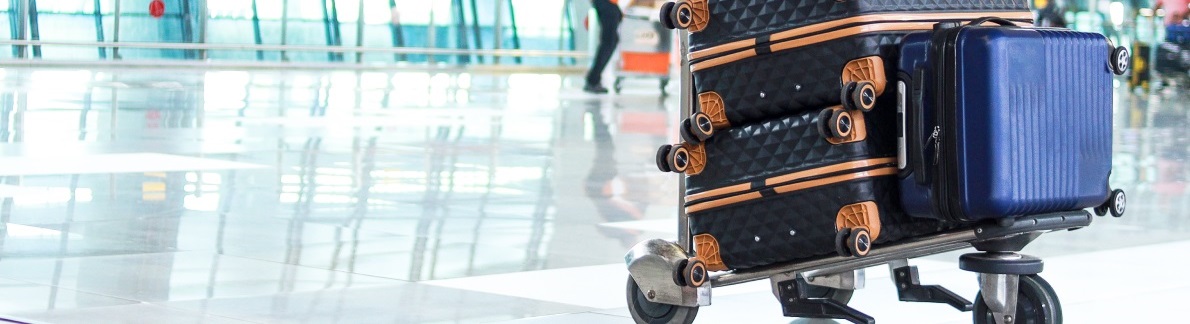
The All Nippon Airways Business Class baggage policy is structured around a piece concept framework that applies primarily to international routes. In most cases, Business Class passengers are permitted two checked bags, each weighing up to 32 kg, subject to size limitations. Cabin baggage typically includes two carry on items plus a personal item, with a combined weight cap. Allowance details may vary depending on route, fare type, aircraft configuration, and frequent flyer status.
As a global carrier and member of the Star Alliance network, All Nippon Airways operates long haul and regional services under standardized international baggage principles. However, travelers should always confirm the final allowance shown on their ticket. This guide explains the rules clearly, including excess fees, elite benefits, and special baggage categories, so you can travel confidently and avoid unexpected charges.
-Business-Class-Baggage-Policy.webp)
Business Class passengers on ANA international flights are typically allowed two checked bags under the piece concept, with each bag weighing up to 32 kg and measuring no more than 158 cm in total linear dimensions. Cabin allowance generally includes two carry on bags with a combined weight limit of 12 kg, plus a small personal item such as a handbag or laptop bag. Overweight or oversized baggage may incur additional charges depending on route and excess weight tier. Allowances can vary by fare type, codeshare partner, or frequent flyer status, so ticket conditions always prevail.
Under the standard ANA Business Class baggage allowance for international routes, passengers are typically entitled to two checked bags. This applies to most long haul and intercontinental flights where the piece concept is used. Each bag must comply with weight and dimension restrictions to qualify as part of the included allowance. Domestic Japanese routes may follow a weight concept rather than a piece concept, which changes the structure slightly. Travelers should review the e ticket receipt where the final number of permitted pieces is clearly listed.
For international Business Class tickets, each checked bag is generally permitted to weigh up to 32 kg. Bags exceeding this threshold may be refused or subject to repacking requirements at the airport. For cabin baggage, ANA typically allows a combined weight of 12 kg for two carry on items. Individual airports may conduct spot weight checks. The 32 kg limit aligns with international safety handling standards and occupational regulations that apply across global carriers within the Star Alliance framework.
Yes, ANA Business Class passengers are generally allowed two carry on bags in addition to one personal item. The total combined weight of the carry on items must usually remain within 12 kg. Each item must fit within the published cabin size dimensions to ensure safe storage in overhead bins or under the seat. If cabin storage space becomes limited, crew members may gate check larger items. This policy applies primarily on international routes operated directly by ANA.
ANA international baggage allowance Business Class tickets typically include two checked bags at 32 kg each under the piece concept. The total linear dimensions of each bag must not exceed 158 cm. Some fare categories or promotional fares may carry different entitlements, though this is less common in Business Class cabins. Codeshare flights operated by partner airlines may apply the operating carrier’s baggage framework. Always verify which airline is operating your flight to avoid misunderstandings at check in.
If a checked bag exceeds 32 kg, it will usually not be accepted for transport due to safety handling limits. Bags weighing between 23 kg and 32 kg are acceptable within the Business Class allowance, but anything beyond 32 kg typically requires repacking. For bags exceeding dimension limits, oversized baggage charges may apply. Fees vary by route region and are calculated per excess piece or overweight tier. Payment is generally required at the airport unless prepaid options are available.
The ANA Business Class luggage rules are structured to support long haul international travel, where passengers often carry heavier luggage. The airline applies the piece concept on most international sectors, granting two checked bags at 32 kg each. This is designed to accommodate premium travelers while maintaining compliance with global aviation safety standards. The allowance is tied to the ticketed cabin and fare class. If a segment involves a partner airline, the most significant carrier rule may determine the applicable baggage framework.
Carry on baggage remains with the passenger inside the aircraft cabin and must comply with strict size and weight limits. Checked baggage is stored in the aircraft hold and is subject to piece, weight, and dimension restrictions. ANA Business Class carry on baggage rules generally permit two items plus a personal article. Checked baggage allowances are more generous but regulated under international handling guidelines. Understanding this distinction helps avoid delays at security screening or during check in procedures.
While the standard ANA checked baggage allowance Business Class applies on most international routes, variations may occur. Flights between Japan and North America or Europe typically follow the two piece system at 32 kg each. Regional routes within Asia may still follow the piece concept but occasionally display route specific conditions. Domestic Japanese flights often operate under a weight concept, usually allowing a total weight limit rather than fixed pieces. The final rule depends on the ticketed itinerary and operating carrier.
ANA Business Class passengers are generally permitted two cabin bags onboard, provided the total combined weight does not exceed 12 kg. This policy supports premium travelers who need access to work materials or personal items during the flight. Each carry on must fit within published dimension limits to ensure safe storage. If aircraft type restricts bin capacity, larger items may be tagged and loaded into the hold. Compliance is assessed at the departure gate if not verified earlier.
In addition to two carry on bags, passengers may bring one personal item onboard. This item should be small enough to fit under the seat in front of you. Examples typically include a handbag, laptop bag, or small briefcase. The personal item does not replace one of the two permitted carry on bags. However, it must remain within reasonable size limits. Oversized personal items may be counted as standard cabin baggage and subject to weight restrictions.
Yes, a laptop bag or handbag is generally permitted as a personal item in ANA Business Class. The item must fit beneath the seat and should not obstruct emergency pathways. This flexibility allows passengers to keep valuable electronics and essential documents close at hand. Weight from the personal item is often included within the total cabin weight allowance, so travelers should distribute contents thoughtfully to remain compliant with the 12 kg combined limit.
Approved personal items typically include small handbags, laptop sleeves, compact backpacks, or document cases. Duty free purchases in sealed airport bags may also be allowed in addition to standard cabin items, depending on security regulations. Medical assistive devices are usually accommodated without penalty. The key requirement is that the item remains compact and safely stowable. Oversized totes or shopping bags may be reclassified as standard carry on baggage if they exceed reasonable dimensions.
Certain items should not be placed in checked baggage due to safety or liability considerations. These commonly include lithium battery powered electronics, passports, cash, medication, and fragile valuables. ANA aligns with international safety regulations that restrict loose lithium batteries in checked luggage. Business travelers are strongly advised to carry important work devices in cabin baggage. This approach reduces the risk of damage, delay, or restricted handling during transfer between connecting flights.
ANA Business Class passengers are generally permitted a total combined cabin baggage weight of up to 12 kg for two carry on items. This weight limit applies to most international routes operated by ANA and is enforced to ensure safe overhead bin storage and compliance with onboard safety standards. Airport staff may weigh cabin bags at check in or at the gate if needed. If the total exceeds 12 kg, items may need to be repacked or transferred to checked baggage before boarding.
Each carry on bag must typically fit within maximum dimensions of 55 cm by 40 cm by 25 cm, including wheels and handles. The total linear dimensions should not exceed 115 cm. These limits are designed to ensure compatibility with overhead compartments across ANA’s international fleet. Aircraft type may influence storage space, especially on regional routes within Asia. Passengers should verify dimensions before departure to avoid last minute gate checking of oversized cabin baggage.
Cabin baggage may contain personal electronics, travel documents, clothing, toiletries within regulated liquid limits, and essential items needed during flight. ANA follows international aviation security standards, which restrict dangerous goods, sharp objects, and certain battery types. Items intended for inflight comfort or work are generally acceptable provided they pass security screening. Passengers connecting internationally should also consider transit airport security rules, as some airports apply additional screening requirements beyond the departure point.
Liquids in carry on baggage must usually comply with international security regulations, meaning containers should not exceed 100 ml and must be placed in a transparent resealable bag. This applies at most international departure points. Duty free liquids purchased after security screening are typically permitted if sealed in tamper evident bags with proof of purchase. However, transfer passengers should confirm whether their connecting airport requires additional screening that could affect liquid carriage.
Laptop computers, tablets, power banks, and mobile phones are generally allowed in cabin baggage. Spare lithium batteries must be carried in the cabin and not placed in checked luggage due to fire safety regulations. Medical devices and prescription medications are also permitted and should remain accessible during flight. It is advisable to keep chargers and essential travel documents in an easily reachable compartment to streamline security inspection and boarding procedures.
Under the ANA Business Class baggage allowance for international flights, passengers are typically entitled to two checked bags under the piece concept system. Each piece must meet specified weight and size restrictions. This allowance reflects premium cabin standards on long haul routes between Japan, North America, Europe, and other intercontinental markets. The entitlement applies to flights operated by ANA, while partner operated segments may apply different conditions depending on the operating carrier’s baggage policy.
Most Business Class tickets include two checked pieces without additional charge. If a passenger checks more than two bags, excess baggage fees generally apply per additional piece. The maximum number of pieces permitted may depend on aircraft load and operational limitations. In some cases, very high piece counts may require cargo handling arrangements rather than standard baggage processing. Travelers planning extended stays or relocations should confirm limits in advance to avoid airport disruption.
Each checked bag in ANA Business Class is generally permitted up to 32 kg. Bags weighing more than 32 kg are usually not accepted due to international safety and handling regulations. If a bag weighs between 23 kg and 32 kg, it remains valid within the Business Class allowance. Weight is measured per piece, not cumulatively across both bags. This structure ensures safe loading procedures and aligns with global occupational safety requirements.
The piece concept defines baggage allowance by number of bags rather than total weight. ANA applies this system primarily on international routes. Under this model, Business Class passengers are typically granted two checked pieces, each with defined maximum weight and dimension limits. This differs from the weight concept used on some domestic Japanese flights, where passengers receive a total weight allowance regardless of bag count. The piece concept simplifies international interline travel across alliance carriers.
For most ANA international services, Business Class passengers may check two pieces without additional cost. Extra pieces beyond this standard allowance are subject to excess baggage fees. The exact number permitted for purchase may vary by route region and aircraft capacity. High demand flights may impose operational caps. When traveling on multi segment itineraries involving partner airlines, the most significant carrier rule usually determines how many pieces are included.
Each checked piece in Business Class is generally limited to 32 kg. This limit applies per bag and cannot be averaged across multiple pieces. If a single bag exceeds 32 kg, airport staff will usually request repacking to comply with safety handling guidelines. These restrictions are consistent with international aviation labor standards. Travelers carrying heavy equipment should distribute weight evenly across two permitted pieces to remain within the allowance.
The maximum permitted size for each checked bag is typically 158 cm when adding length, width, and height together. This linear dimension standard is widely used across international carriers. Bags exceeding 158 cm may be classified as oversized and subject to additional charges. Extremely large items may require special handling or cargo processing. Measuring luggage before departure helps prevent unexpected fees and check in delays.
ANA generally permits checked baggage with total linear dimensions up to 158 cm. This measurement includes wheels, handles, and any external compartments. The limit applies per piece under the piece concept framework. Bags that exceed this threshold may incur oversized baggage fees even if they fall within the 32 kg weight limit. Travelers should use a tape measure at home to verify dimensions, especially when using expandable suitcases that may exceed standard sizing when fully packed.
Carry on baggage is usually limited to 55 cm by 40 cm by 25 cm, with total linear dimensions not exceeding 115 cm. These limits ensure compatibility with overhead storage compartments across ANA’s international fleet. Smaller regional aircraft may have slightly reduced bin space, leading to occasional gate checks. Compliance with these dimensions allows smoother boarding and minimizes the risk of last minute baggage reassignment to the aircraft hold.
If a checked bag exceeds the permitted 158 cm linear dimension limit, it is typically classified as oversized baggage. Oversized fees may apply depending on the route and region of travel. For cabin baggage exceeding published size limits, the item will generally be tagged and placed in the aircraft hold. Charges may apply if it exceeds the checked baggage entitlement. To avoid inconvenience, passengers should confirm measurements before arriving at the airport.
ANA charges excess baggage fees when a passenger exceeds the included number of checked pieces, surpasses the 32 kg per piece weight limit, or presents baggage that exceeds 158 cm in total linear dimensions. Fees are calculated per violation category and per flight sector. Charges vary by geographic zone, such as Japan to North America or Japan to Europe. The applicable fee is determined by the ticketed routing and operating carrier. Payment is typically required at the airport unless prepaid options are available in advance.
Although Business Class includes up to 32 kg per piece, any bag exceeding that threshold is usually not accepted due to safety regulations. Unlike Economy Class, there is generally no overweight tier above 32 kg for Business Class. If a bag weighs beyond the permitted maximum, repacking is required. For partner operated flights, different overweight tiers may apply. Passengers should review the conditions shown in their reservation, especially when connecting across multiple airlines within the alliance.
Checked baggage exceeding 158 cm in total linear dimensions is classified as oversized. Oversized charges apply even if the bag remains within the 32 kg weight limit. Fees vary depending on the route region and are assessed per oversized piece. Extremely large items may be subject to handling restrictions or require advance notice. If an item exceeds structural aircraft limits, transport may be refused. Measuring suitcases accurately before departure reduces the risk of unexpected costs.
If baggage exceeds the permitted limits at the airport, ANA staff will typically offer options such as repacking into additional pieces or redistributing weight between bags. If this is not possible, excess fees must be paid before check in is completed. Payment methods depend on airport facilities. It is advisable to arrive early when traveling with heavy luggage. This allows time to reorganize belongings without creating boarding delays or unnecessary stress.
On certain routes, ANA allows passengers to pre purchase additional baggage beyond the standard Business Class allowance. Availability depends on the ticket type, route, and booking channel. Prepaid baggage may be offered at a reduced rate compared to airport pricing. However, not all itineraries qualify for advance purchase, especially when partner airlines are involved. Reviewing options in the booking management portal before travel helps avoid higher airport charges.
Purchasing additional baggage online, when available, is generally more cost effective than paying at the airport. Online systems display route specific pricing in advance, allowing better budgeting. Airport purchases may involve higher fees and are subject to operational acceptance limits. If a flight is heavily booked, additional pieces may be restricted. Planning ahead provides greater flexibility and helps ensure that space is secured for necessary luggage.
To reduce excess baggage charges, weigh luggage at home using a reliable scale. Distribute heavy items evenly between permitted pieces. Consider using the full 12 kg cabin allowance strategically for compact dense items. Review your fare conditions carefully, especially if traveling on a discounted Business Class fare. If you hold elite status, confirm whether additional baggage benefits apply. Small adjustments before departure often prevent significant fees at the airport.
Members of the ANA Mileage Club with eligible elite status may receive additional baggage privileges beyond the standard Business Class allowance. Benefits typically apply to international flights operated by ANA and may include extra pieces or increased weight limits depending on tier level. These privileges are tied to the frequent flyer number entered in the reservation. The final allowance is reflected on the ticket and boarding documents at check in.
Higher tier elite members may receive priority baggage handling in addition to expanded allowance. Priority tagging helps ensure that checked luggage is delivered earlier upon arrival. While this does not guarantee first delivery, it improves handling sequencing. Additional baggage benefits may not combine with promotional excess baggage offers. Reviewing elite entitlements before departure helps clarify what is included under your specific status level.
As a member of the Star Alliance network, All Nippon Airways honors certain baggage privileges for Star Alliance Gold members traveling on eligible fares. These benefits often include at least one additional checked piece on international routes. However, benefits depend on the most significant carrier rule and ticketed cabin. When itineraries include multiple alliance partners, the operating carrier policy may determine final eligibility.
Sports equipment such as golf bags, ski equipment, or diving gear may be accepted as part of the standard checked baggage allowance if it meets size and weight limits. If equipment exceeds 158 cm or 32 kg, oversized or overweight charges may apply. Certain items require advance notification to ensure aircraft compatibility. Packaging must provide adequate protection. Some equipment categories are subject to seasonal embargoes depending on route demand and aircraft type.
Small musical instruments may be carried onboard if they comply with cabin size limits and weight restrictions. Larger instruments that exceed carry on dimensions must be checked or transported as a purchased extra seat if permitted. Checked instruments should be packed in rigid protective cases. Liability for fragile items is limited under international conventions. Passengers traveling with valuable instruments should review insurance coverage before departure.
ANA advises against placing fragile, high value, or essential items in checked baggage. While the airline handles baggage carefully, international liability limits apply in cases of damage or loss. Valuable electronics, jewelry, important documents, and medication should remain in cabin baggage. If fragile items must be checked, they should be securely packed and declared if required. Understanding liability limitations helps set realistic expectations.
Items such as firearms, sporting ammunition, and certain battery powered mobility devices require advance approval and documentation. These items are regulated under international aviation security standards. Transport is subject to strict packaging and declaration requirements. Failure to comply may result in denial of carriage. Passengers should contact ANA customer support well before departure when traveling with restricted items.
Delicate items should be wrapped in cushioning material and placed in rigid suitcases. Avoid loose placement inside soft sided bags. Remove detachable components where possible. Marking a bag as fragile does not eliminate risk but may alert handling staff. Consider travel insurance for high value belongings. Proper preparation reduces the likelihood of damage during aircraft loading and transfer between connecting flights.
For infants traveling without their own seat, ANA typically allows one checked baggage piece within a specified weight limit, often up to 23 kg on international routes. This allowance may differ from the adult Business Class entitlement. Exact limits depend on route and fare type. The allowance is intended to accommodate essential infant travel items. Confirmation should be obtained at booking to ensure accurate planning.
Collapsible strollers and child car seats are generally accepted without charge in addition to the standard infant baggage allowance. Items may be checked at the counter or at the aircraft door depending on airport procedures. Oversized strollers may require check in at the main counter. Proper labeling and identification tags are important. These items are subject to safety inspection prior to loading.
Infant passengers may bring reasonable quantities of baby food, formula, and diapers in cabin baggage, subject to security screening regulations. Liquids for infant feeding are often exempt from the standard 100 ml limitation but must be declared during screening. Bassinet requests should be arranged in advance. Planning ahead ensures that infant travel essentials comply with both airline and airport security requirements.
If checked baggage does not arrive at the destination, passengers should report the issue immediately at the airport baggage service counter before leaving the arrivals area. A Property Irregularity Report is typically created. Providing baggage tags and travel documents helps expedite tracing. Most delayed baggage is located within a short period and delivered to the passenger’s local address.
Reports must usually be filed promptly upon arrival. Passengers will receive a reference number to track the claim. Contact information and delivery address details are required. Receipts for essential replacement purchases may be requested later if reimbursement is applicable. Timely reporting is important because liability claims are subject to international time limits under applicable conventions.
Passengers can monitor baggage tracing progress using the reference number provided at the airport. Updates may be available online or through customer service channels. Clear communication with baggage services improves resolution speed. Providing accurate descriptions of the bag and its contents assists tracing teams. Patience is important, as international transfers may involve coordination between multiple airports.
Compensation for lost or damaged baggage is governed by international agreements such as the Montreal Convention. Liability is capped at a defined amount unless a higher value declaration was made at check in. Claims must be submitted within specified timeframes. Documentation, including receipts and proof of value, may be required. Reviewing these limits in advance helps travelers understand the framework that applies.
Start by reviewing the exact allowance listed on your ticket. Use lightweight luggage to maximize usable weight. Pack versatile clothing that can be layered for different climates. Place heavier items at the base of the suitcase to maintain balance. Avoid last minute additions that may push the bag over 32 kg. A disciplined packing approach reduces airport stress and unexpected fees.
The 12 kg combined cabin allowance can be used thoughtfully for compact, dense items such as electronics or documents. Ensure cabin bags comply with size limits to avoid gate checking. Keep essentials such as medication and valuables in the cabin. Strategic use of carry on capacity allows better weight distribution across checked pieces while staying within permitted limits.
Use a handheld luggage scale to confirm that each checked piece remains under 32 kg. Check measurements if using expandable suitcases. Weigh cabin baggage as well to ensure compliance with the 12 kg total limit. Small adjustments at home are easier than reorganizing luggage at the airport. Early preparation reduces the risk of excess charges and boarding delays.
For long haul routes operated by All Nippon Airways, pack essentials in cabin baggage in case of transfer delays. Keep climate differences in mind when flying between regions. Consider compression packing cubes to optimize space. Review baggage rules directly on the official ANA website before departure, as policies may change. Careful planning ensures a smooth Business Class journey.
The All Nippon Airways Business Class baggage policy is designed to balance premium traveler convenience with international safety standards. While most international Business Class tickets include two checked bags at 32 kg each plus cabin allowance, final entitlements depend on route, fare, and operating carrier. Before departure, review your e ticket details and confirm updated rules directly through All Nippon Airways official resources. A brief review today can prevent unexpected fees tomorrow and ensure a seamless premium travel experience.
The All Nippon Airways Business Class Baggage Policy offers a structured allowance designed to support premium travelers on long haul international routes. In most cases, passengers may check two bags up to 32 kg each, along with carry on baggage totaling 12 kg and a small personal item such as a handbag or laptop bag. This forms the core of the ANA Business Class baggage allowance, though the exact limits may vary depending on route, fare type, and loyalty status. Travelers are encouraged to confirm details through the official guidance from All Nippon Airways or widely recognized aviation standards such as those published by IATA before departure.
Understanding ANA business class baggage rules helps travelers prepare for international journeys with fewer airport surprises. Long haul passengers and members of the ANA Mileage Club, particularly elite tiers, often receive the most benefit from the generous structure. However, baggage policies may change when itineraries include codeshare flights or Star Alliance partner operated routes, where IATA first marketing carrier standards may determine which policy applies. Reviewing baggage limits early also reduces the risk of unexpected ANA excess baggage fees at the airport.
For travelers seeking assistance with premium cabin planning, Ticket Business Class may help review fare options and baggage considerations. For support with international travel bookings, call +1-877-243-8320 to speak with a travel specialist.
For international flights, All Nippon Airways Business Class passengers are permitted to check up to two pieces of luggage. Each of these pieces must not exceed 32 kg (70 lbs) in weight. This generous allowance ensures you can travel comfortably with your essentials. For booking assistance regarding All Nippon Airways Business Class, you may contact Ticket Business Class at +1-877-243-8320. We are an independent travel agency and not affiliated with the airline.
Yes, passengers flying in All Nippon Airways Business Class may bring one carry-on bag plus one personal item, such as a handbag or laptop case. The total weight for both items combined must not exceed 10 kg (22 lbs). This policy allows you to keep important items close at hand during your flight.
For travelers in All Nippon Airways Business Class on international routes, the maximum weight per individual checked bag is 32 kg (70 lbs). It is important to note that bags exceeding this weight, up to 45 kg, will incur an overweight fee. Proper weight distribution is essential for compliance with safety regulations.
All Nippon Airways Business Class includes a free allowance of two checked bags. This is a standard policy for the business class cabin on long-haul international services. This allowance provides significant flexibility for travelers carrying both personal and professional luggage.
Yes, All Nippon Airways Business Class passengers must pay a fee if a bag exceeds the 32 kg weight limit. For example, on routes between the US and Japan, a bag weighing between 32 kg and 45 kg is subject to a fee of approximately USD 200. We recommend using a luggage scale at home to avoid unexpected charges at the airport.
All Nippon Airways Business Class allows sports equipment, such as golf clubs, skis, and surfboards, to be checked as part of your standard baggage allowance. These items are accepted provided their total dimensions do not exceed 292 cm and the weight stays under the 32 kg limit. It is advisable to inform the airline during booking.
For All Nippon Airways Business Class, the total linear dimensions (length + width + height) of a checked bag must not exceed 158 cm (62 inches). This measurement includes all external protrusions like wheels and handles. Ensuring your suitcase meets these size restrictions helps facilitate a smooth check-in process.
Yes, ANA Mileage Club members holding Platinum or Diamond status receive additional benefits when traveling in All Nippon Airways Business Class. These elite members are typically allowed an extra checked bag, further enhancing their travel experience. For specific fare inquiries regarding All Nippon Airways Business Class, you may contact Ticket Business Class at +1-877-243-8320. We are an independent travel agency and not affiliated with any airline.
All Nippon Airways Business Class passengers traveling with necessary medical equipment, such as a CPAP machine, are permitted to bring it on board as a free carry-on item. This device does not count toward your standard carry-on allowance. It is always best to notify the airline in advance to ensure a seamless boarding process.
For passengers requiring additional luggage, a third checked bag in All Nippon Airways Business Class is subject to a fee. On transpacific routes like the US to Japan, this fee is typically USD 200. Pre-paying for extra baggage online through the airline's managing your booking portal can sometimes streamline this process.
While you cannot bring an electric wheelchair into the cabin, All Nippon Airways Business Class passengers may check it as special baggage. You must provide the airline with the battery type and exact dimensions of the wheelchair at least 120 minutes prior to departure to ensure safe and compliant handling.
When your itinerary includes a codeshare flight marketed by All Nippon Airways Business Class but operated by another carrier, the operating airline's baggage rules usually apply. It is crucial to verify the baggage policy with the specific airline operating your flight segment to avoid unexpected fees or restrictions.
A bag exceeding 45 kg cannot be checked as a single piece on All Nippon Airways Business Class due to safety and handling regulations. In such cases, you must repack your belongings into two separate suitcases. This ensures the weight is distributed safely and complies with international ground handling standards.
Yes, All Nippon Airways Business Class provides options for small musical instruments. Instruments that fit within the carry-on size and weight limits may be brought into the cabin. Larger instruments must be purchased a seat or checked as fragile baggage, subject to specific approval and fees from the airline.
Generally, All Nippon Airways Business Class baggage allowances are per person and cannot be combined or pooled with another passenger traveling on the same reservation. Each individual must adhere to the two-bag limit and weight restrictions. This policy is standard across most international carriers.
When an infant does not have their own seat in All Nippon Airways Business Class, they are typically allowed one checked bag weighing up to 23 kg (50 lbs), plus a fully collapsible stroller. The stroller can usually be checked at the gate, allowing you to use it through the airport until boarding.
For security reasons, passengers in All Nippon Airways Business Class must adhere to the standard liquid rules. Liquids, gels, and aerosols in carry-on luggage must be in containers of 100 ml (3.4 oz) or less and placed in a single, transparent, resealable plastic bag. This rule is consistent for all departing flights.
Yes, you can check in luggage purchased at the airport, but it will count toward your All Nippon Airways Business Class baggage allowance. If the new items cause you to exceed the two-bag limit or the 32 kg per bag weight, you will be charged the applicable excess baggage fees for the additional weight or pieces.
All Nippon Airways Business Class operates on a piece concept for most international flights, rather than a flat weight system. This means excess charges are applied per additional piece or per overweight condition, rather than a flat rate per kilogram. Specific charges vary significantly by route.
The most reliable method to confirm your specific All Nippon Airways Business Class baggage allowance is by checking your e-ticket receipt or by logging into the "Manage Booking" section on the ANA website. Ticket Business Class is an independent travel agency and is not affiliated with or endorsed by any airline. For booking assistance, you may contact us at +1-877-243-8320.
 Expert Travel Assistance
Instant Booking Confirmation
Flexible 24-Hour Cancellation
Book Now, Pay Later Options
Exclusive Business Class Deals

American Airlines Flagship Business Class Baggage Policy lets you bring two checked bags and one carry-on. Review weight limits and fees to ensure smooth travel.
Read More
British Airways Business Class (Club World) Baggage Policy allows two checked bags and one carry-on. Check weight limits and fees to plan your journey without hassle.
Read More
Cathay Pacific Business Class Baggage Policy allows two checked bags and one carry-on. Confirm weight limits and fees to travel comfortably and avoid extra charges.
Read More